The Importance of Distance (Reprise)
We first wrote about the importance of distance back in 2017 after our joint trip to Yellowstone. It has been our most popular blog and we recommend you give it a good read if you’re considering traveling this year to National Parks for the country’s 250th anniversary.
Since then, though, we’ve traveled the world and had lots of wild encounters, so there is some additional wisdom to impart both on keeping your distance from wild animals and generally being a good tourist in the presence of wildlife.
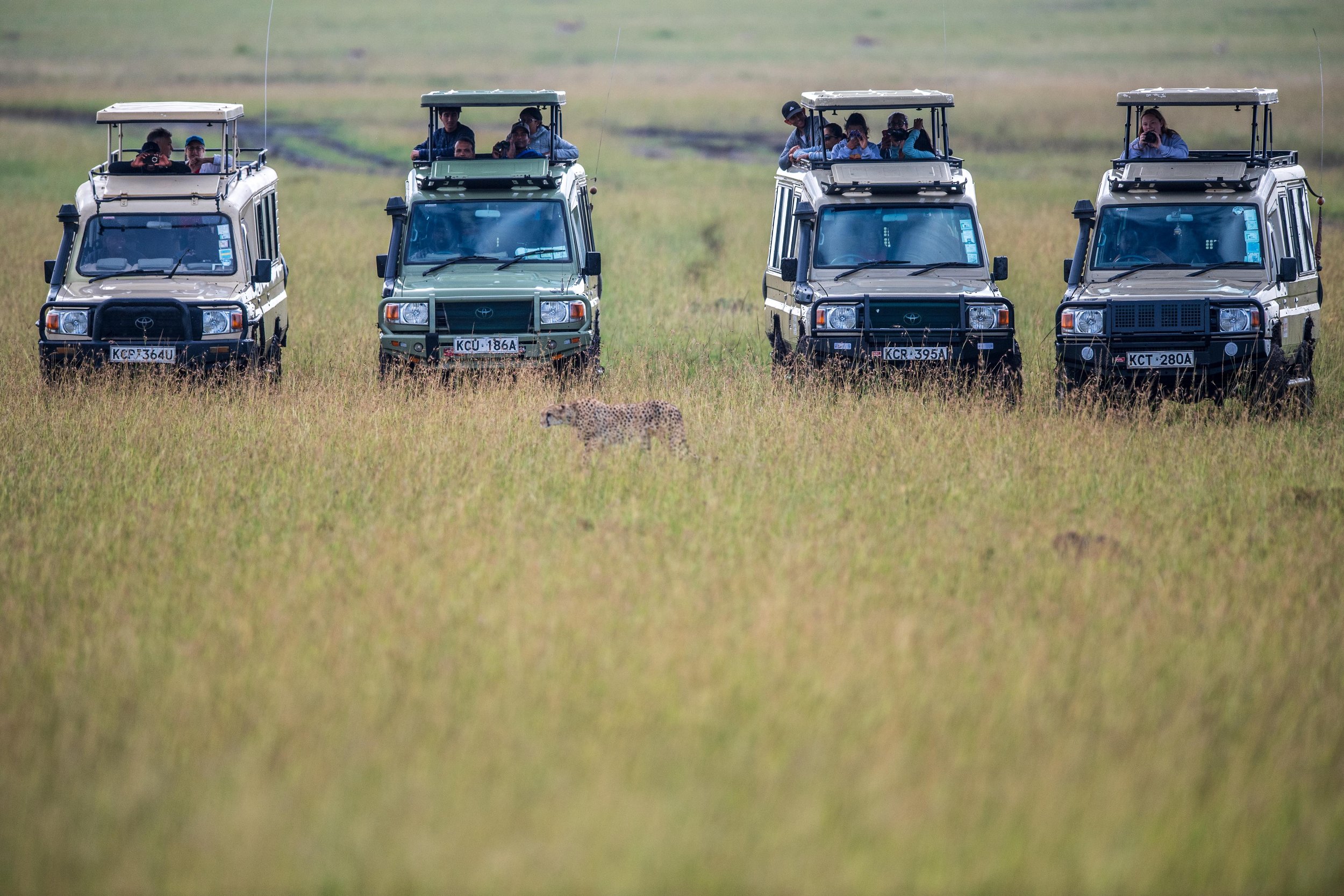
Watching a cheetah hunt in the Maasai Mara.
Keep your distance!
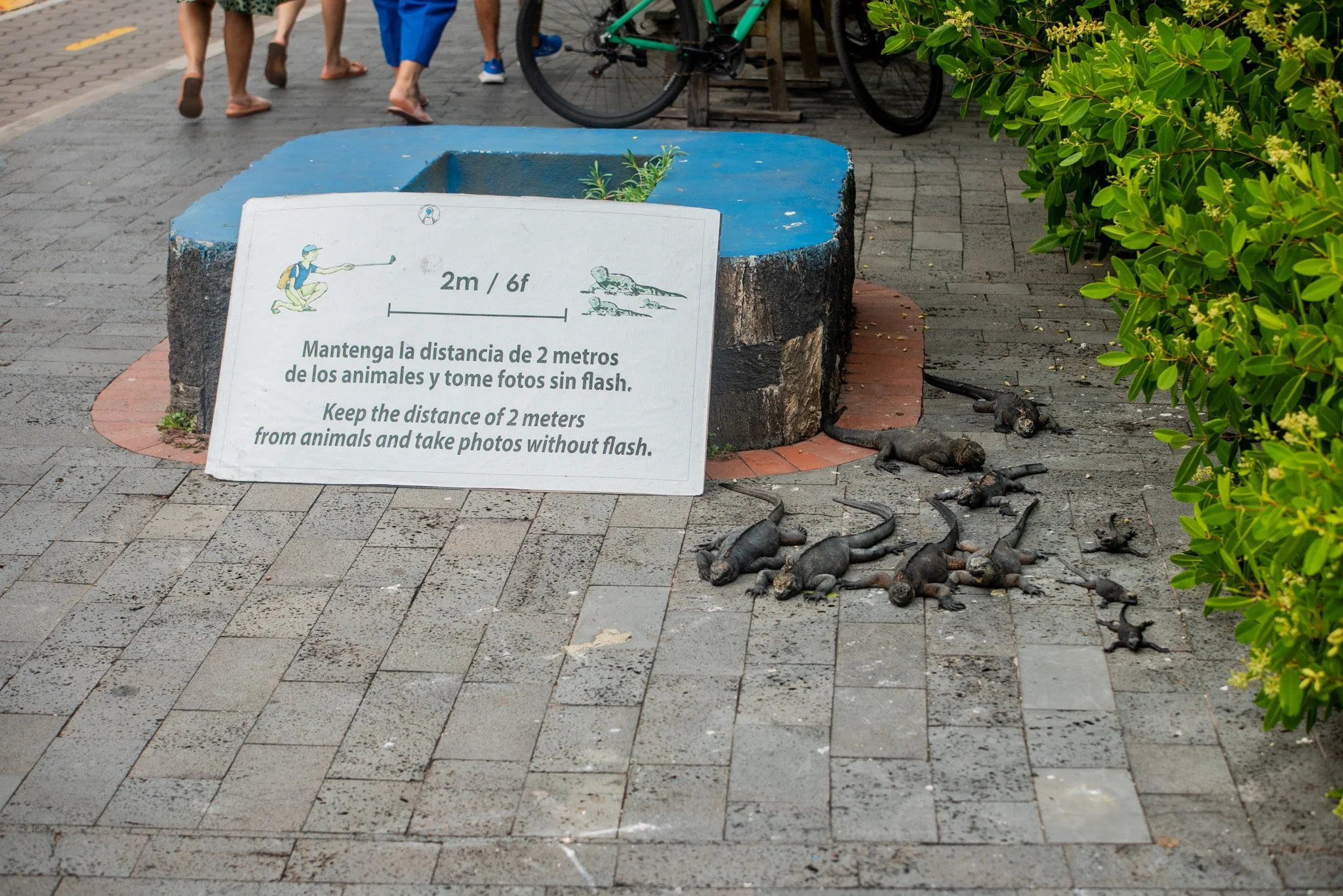
We’ll remind everyone that national parks around the world have numerous signs and warnings about keeping your distance from all wildlife, which can vary widely from place to place. In the US, the National Park Service (NPS) mandates a minimum distance of 25 yards for bison, elk, deer, etc. That distance should be greater if you encounter bears or wolves, approximately 100 yards. In the Galapagos, the distance is six feet, or two meters, for all wildlife. If you are on safari, many countries require tourists to remain in their vehicles in the presence of wildlife and for tour operators to remain on designated travelways. Always make sure you know the rules before going out into the park. If you’re not sure, check online or with a park ranger.
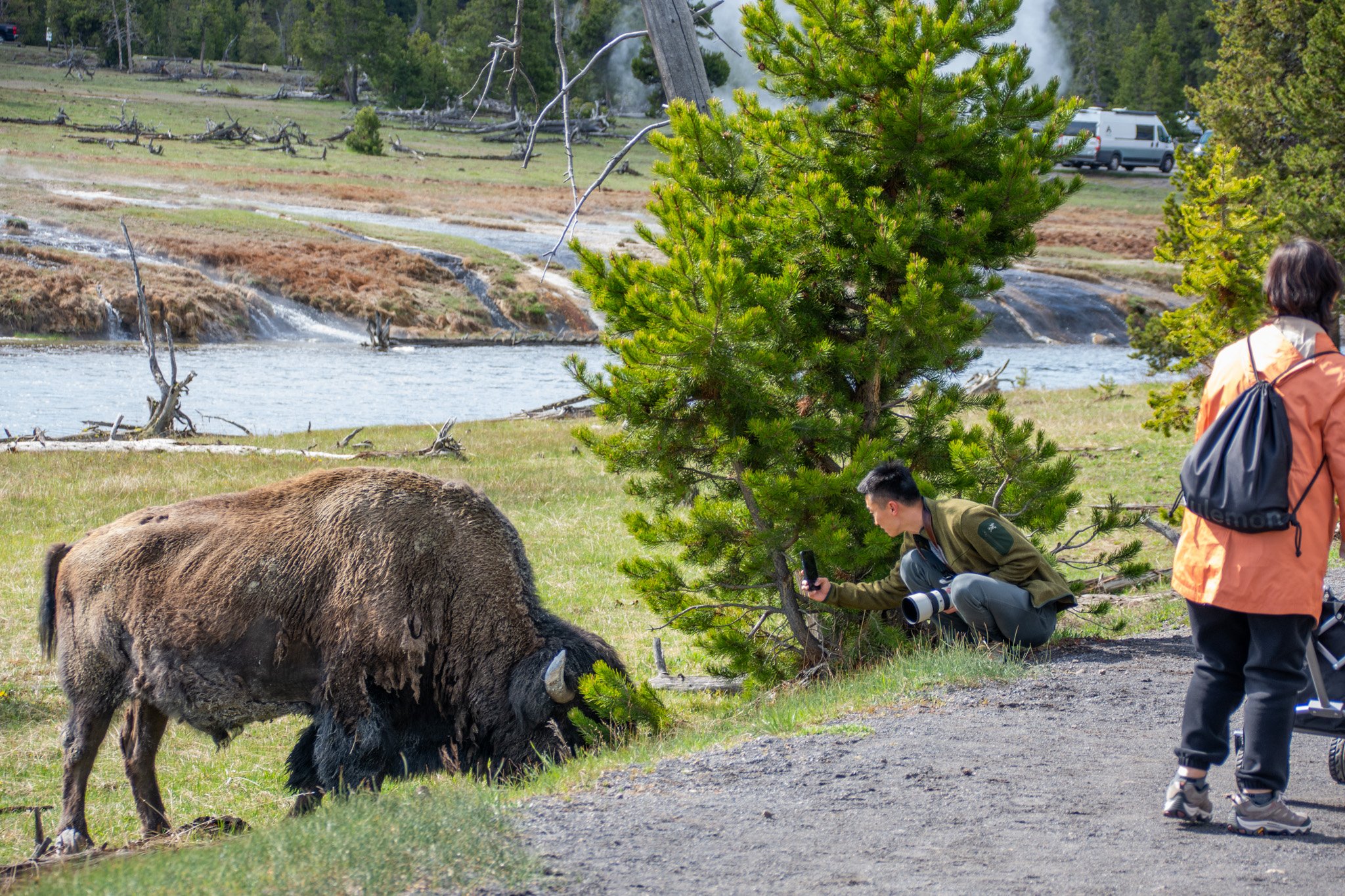
Tourons of Yellowstone.
For best viewing, get yourself a spotting scope, a good pair of binoculars, or a good camera setup. A zoom lens like a 150-600mm or a 200-500mm lens is a cost-effective choice and can get you in close. A super telephoto lens like a 400mm or a 600mm lens will get you the range plus the clarity and empty your bank account. Never approach animals for a better picture. You're putting yourself and the people around you in danger by doing so. The photo you're trying to get for your Instagram followers is not as important as keeping yourself safe and respecting the animals.

Lots of long lenses for optimal viewing.
Be mobile.
Wild animals are, well...wild! These days most animals are habituated to vehicle traffic and human presence in their territories, so they generally go about their business without much regard for us. However, they can still be unpredictable. If you have the opportunity to be on the ground in areas where wildlife is present, keep that distance rule in mind and move with the animals to put that buffer between you. This is one of the big rules we make sure to follow. One morning we were along the banks of the Madison River watching a huge herd of bison forage for food after an early snow. We both had our 150-600mm lenses on tripods and made sure that when the animals breached that buffer zone, we communicated with each other and moved appropriately. Since we both were packing pro gear, the folks around us also made sure to move and all of us were able to enjoy that quiet cold morning with bison in the snow without incident. Conversely, we’ve seen tourists in Yellowstone and at Antelope Island State Park in Utah disregard those rules and get dangerously close to wildlife. In those instances park rangers have firmly reminded the visitors of the regulations and had them move. Always follow the orders of park rangers.
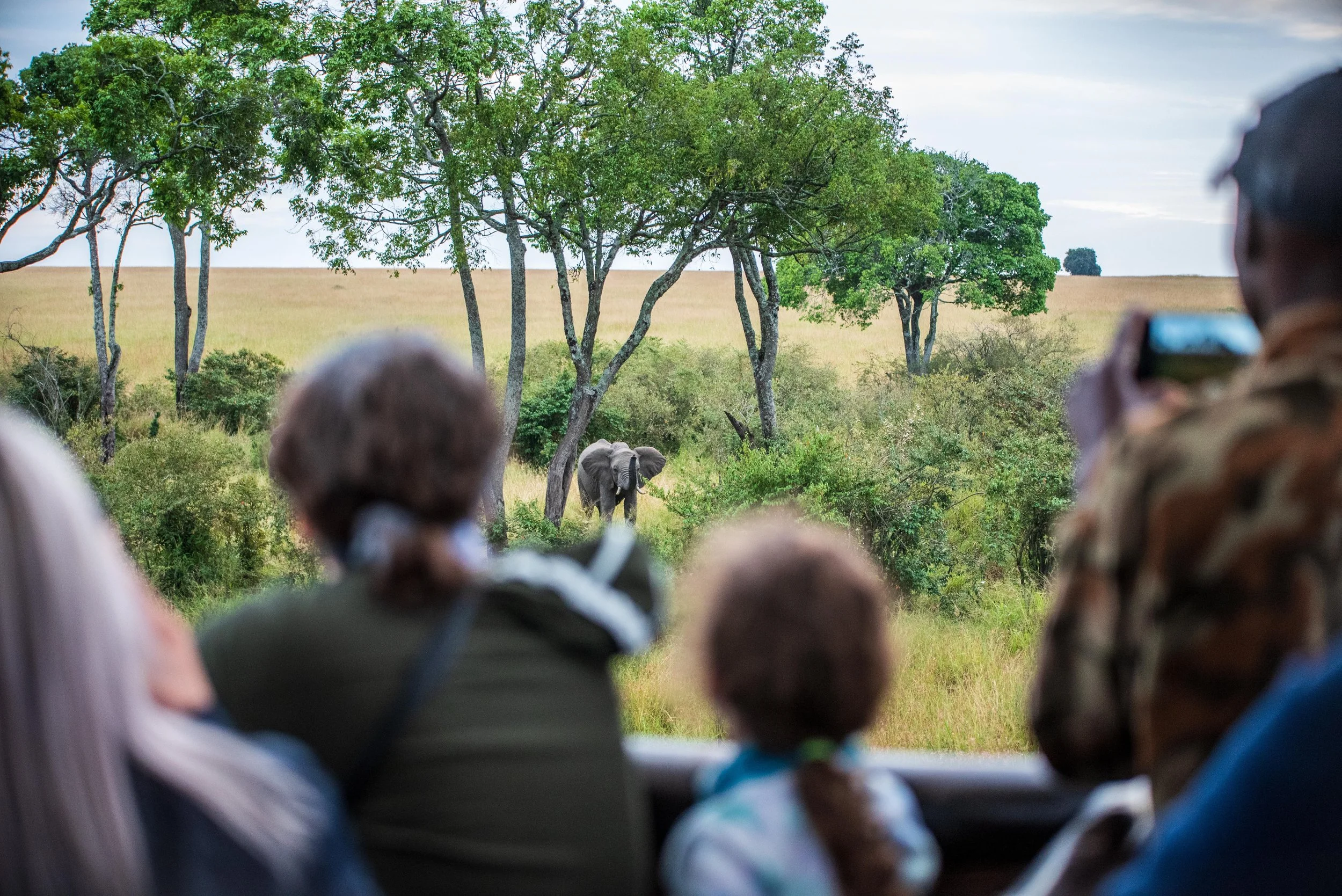
Watching elephants from a distance in a hot air balloon.
It's not a petting zoo!
This should really go without saying, but it apparently requires repeating. DON'T FEED THE ANIMALS and DON'T ATTEMPT TO PET THEM! It's that simple. Unless you're in a place that specifically has a petting zoo of domesticated animals, don't pet and don't feed. First of all, you begin to establish dependence on humans for food. This increases the level of comfort the animal has with getting close to people for sustenance. These encounters often end tragically for both parties as people are injured and the animal has to be put down. Secondly, just enjoy the presence of the animals! If you have an urge to pet something, go find an animal shelter and adopt one in need.

Please leave the endangered penguins alone…
Be prepared for encounters.
If you're in the backcountry hiking, be prepared for a potential encounter with wildlife. It's best to travel in a group if possible to improve your chances (doesn't hurt to be the fastest in the group either). But in all seriousness, a larger group of people will appear more intimidating to an animal and will reduce the potential for an incident. If you're in bear country, carry bear spray, know how and when to use it, and know how to react (See here for more tips).
Be quiet (most of the time).
If you're viewing wildlife, stay quiet. Animals can be easily spooked by sudden or loud noises. Turn the car off and turn off the music. The people around you may not want to hear you chatting it up or listen to the Free Bird guitar solo while enjoying the wildlife. They may be there to experience the quiet of the park. However, if you're hiking alone, it doesn't hurt to talk to yourself a bit to alert nearby animals of your presence. You may look like a crazy person if you come across other folks on the trail, but you're less likely to startle an animal off the trail with your sudden presence.
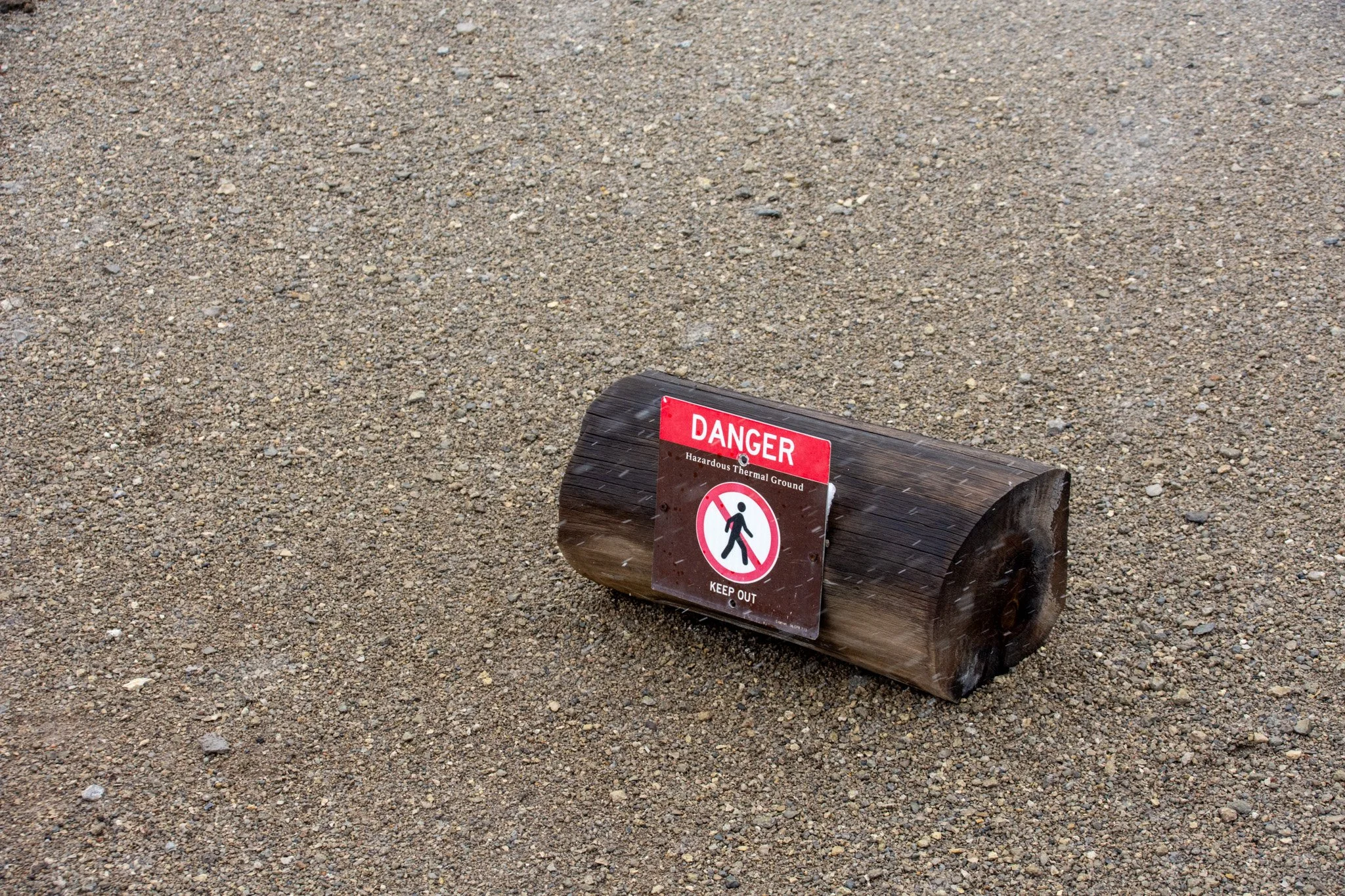
Be a good steward. The whole point of national parks and wild spaces is to conserve the habitat and wildlife of an area. The natural beauty and chance to see animals up close draws millions of people to these places every year. It's easy for us to get excited about seeing these creatures, but too often we can be blinded by the opportunity to touch one or get a better picture for social media. But you're not the only person there to see and enjoy these places. Your actions can lead to dire consequences for you, the people around you, and the wild animals. It's pretty simple: follow the rules and no one gets hurt.
Cheers!