Antelope Island Bison Roundup 2025
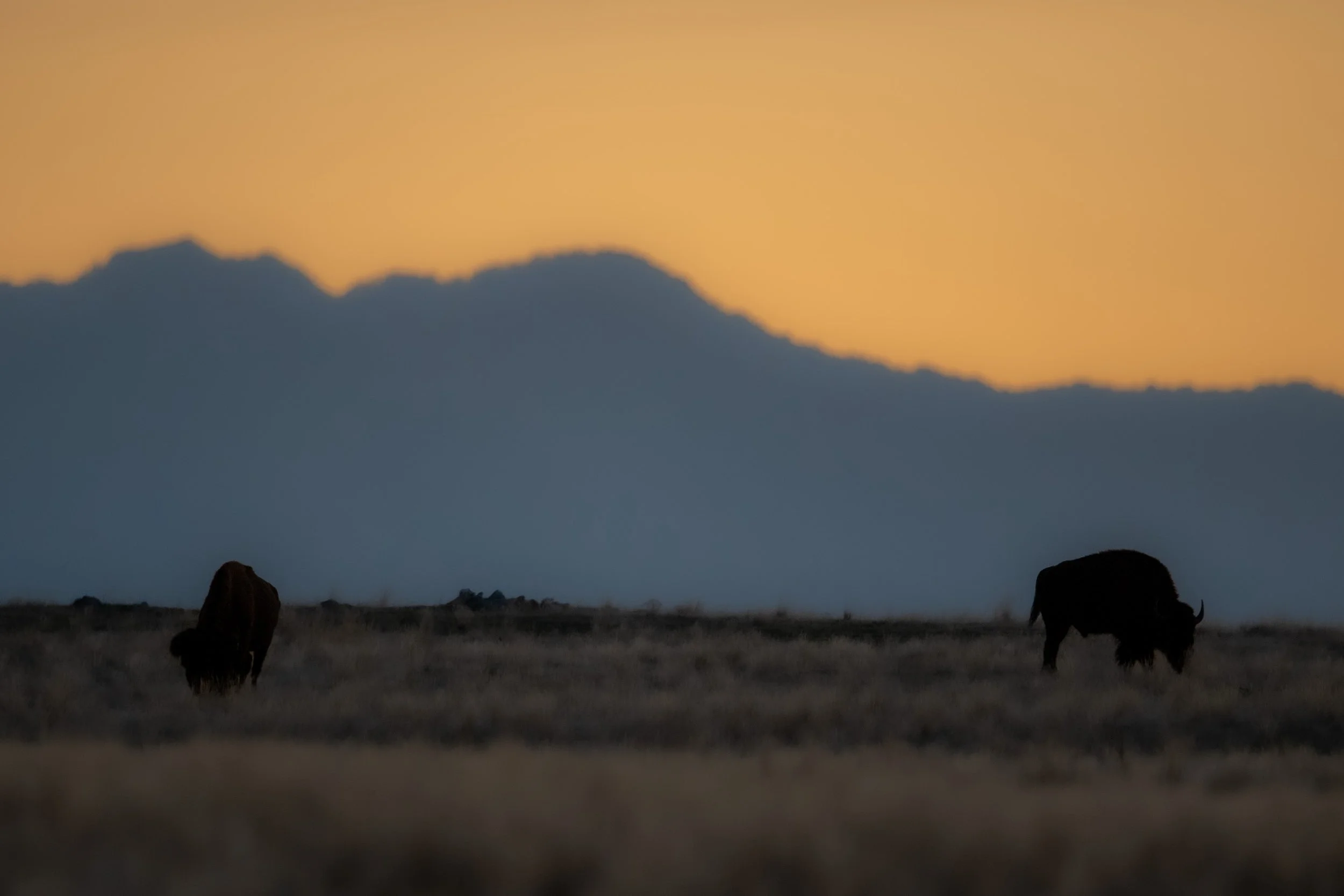
Bison grazing at sunrise.
Published November 2025
We do not travel like other people. Plain and simple. At the beginning of October, Greg called up Ed and said, “Hey do you want to go to Antelope Island later this month to see the bison roundup? I want to go in quick and cheap.” For the first time in a while, our calendars aligned, and Ed was in. Greg had visited Antelope Island in 2022 and had had the pleasure of witnessing the roundup. At the end of October, bison from the southern end of the island are herded north by over 200 volunteers to corrals to be sorted, sold, or transferred.
Our plan this time: fly in late on a Thursday night, spend the day Friday scouting the island and collecting a fresh batch of photos, be a part of the roundup on Saturday, drop the car off late Saturday night, and catch a 01:00 redeye back to Jersey, which would put us comfortably back in our own living rooms by lunchtime Sunday. We do not travel like other people.
Despite the government shutdown, we had no issues getting through security at Newark and our flight landed in Salt Lake just after 22:00. Greg sweet-talked the rental company into an upgrade to a Jeep Wrangler Rubicon which was a key part of our operation. In the morning, our jet-lagged bodies woke us up well before the alarms went off and we were out the door in the dark. The woman at the hotel desk was still there, bewildered at our early departure.
Antelope Island is, as the name suggests, an island located in the southeast corner of the ever-shrinking Great Salt Lake. A six-mile causeway links the mainland with the island entrance. We arrived on the island at 06:30, a full hour before sunrise, and posted up at Buffalo Point to capture the night sky. In the stillness of the early dawn, the sun rose quietly and majestically, casting a gorgeous glow on the lightly snow-covered peaks of the Wasatch Range to the east. Dark objects that we thought were bushes in the field below started to move. Bison.
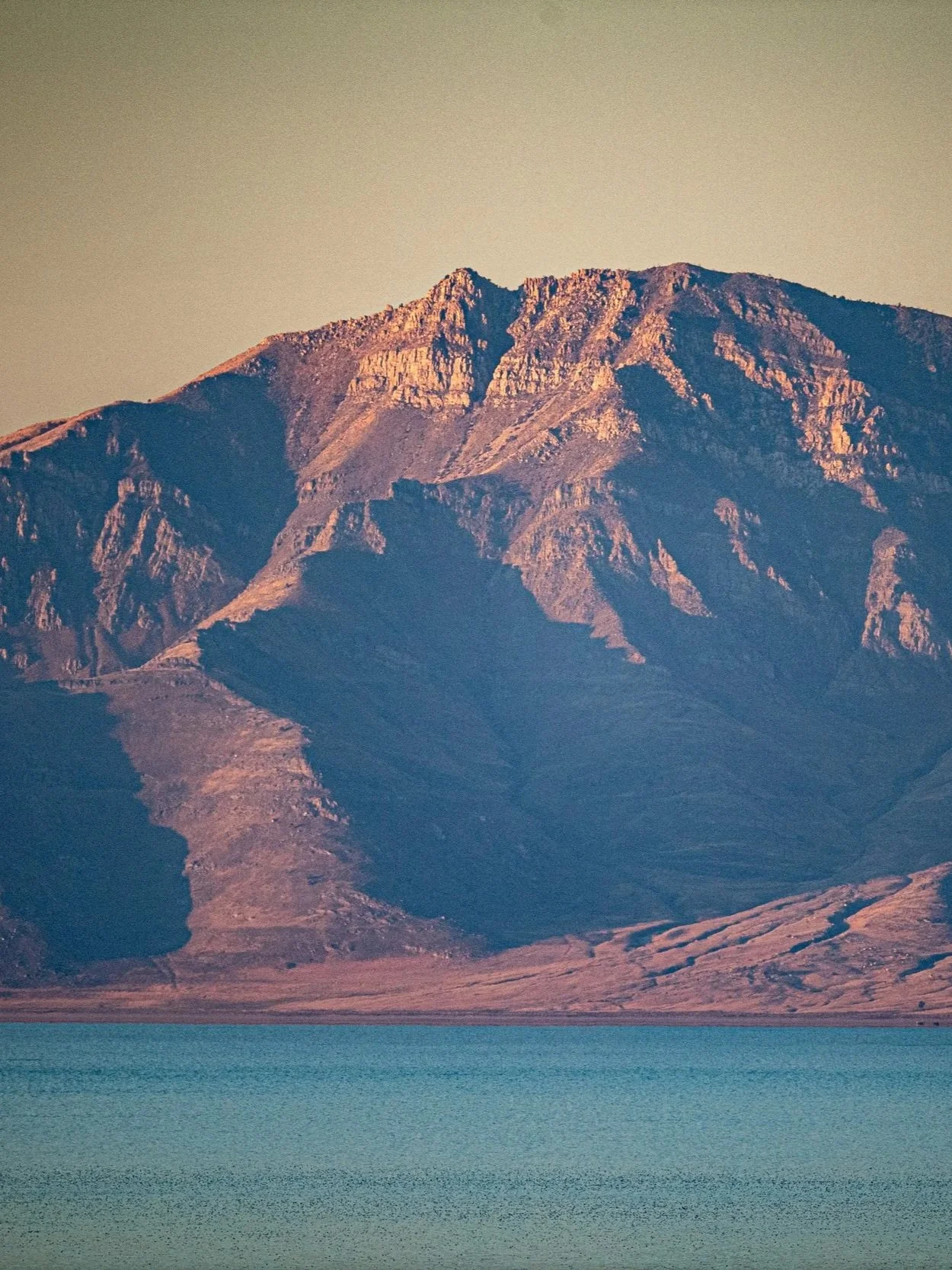
Sunrise across the Great Salt Lake.
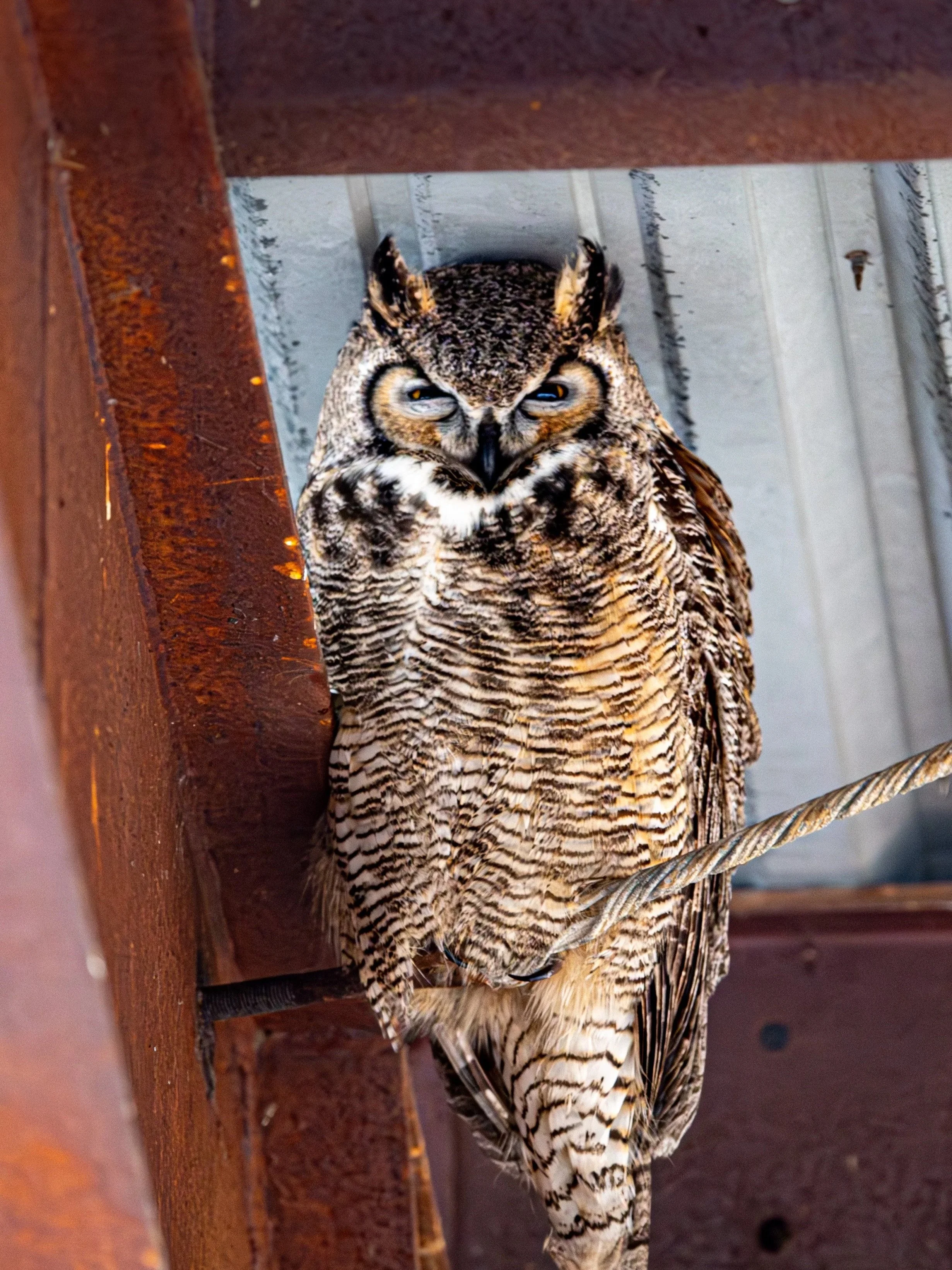
A sleepy great horned owl.
The bison corrals are not far from Buffalo Point and we headed off in search of owls. Greg’s previous experiences on the island make him an expert in locating wildlife there. Sure enough, we found a great horned owl in the rafters of a nearby pole barn. A search for a barn owl turned up empty, so we started heading south. The island has a small network of roads at the north end, leading to a single paved road on the east side. In total, Antelope Island covers only about 42 square miles and is home to approximately 800 bison. For comparison, Antelope Island is twice the size of Manhattan and while Antelope Island sports about 800 bison, Manhattan is home to 1.6M people.
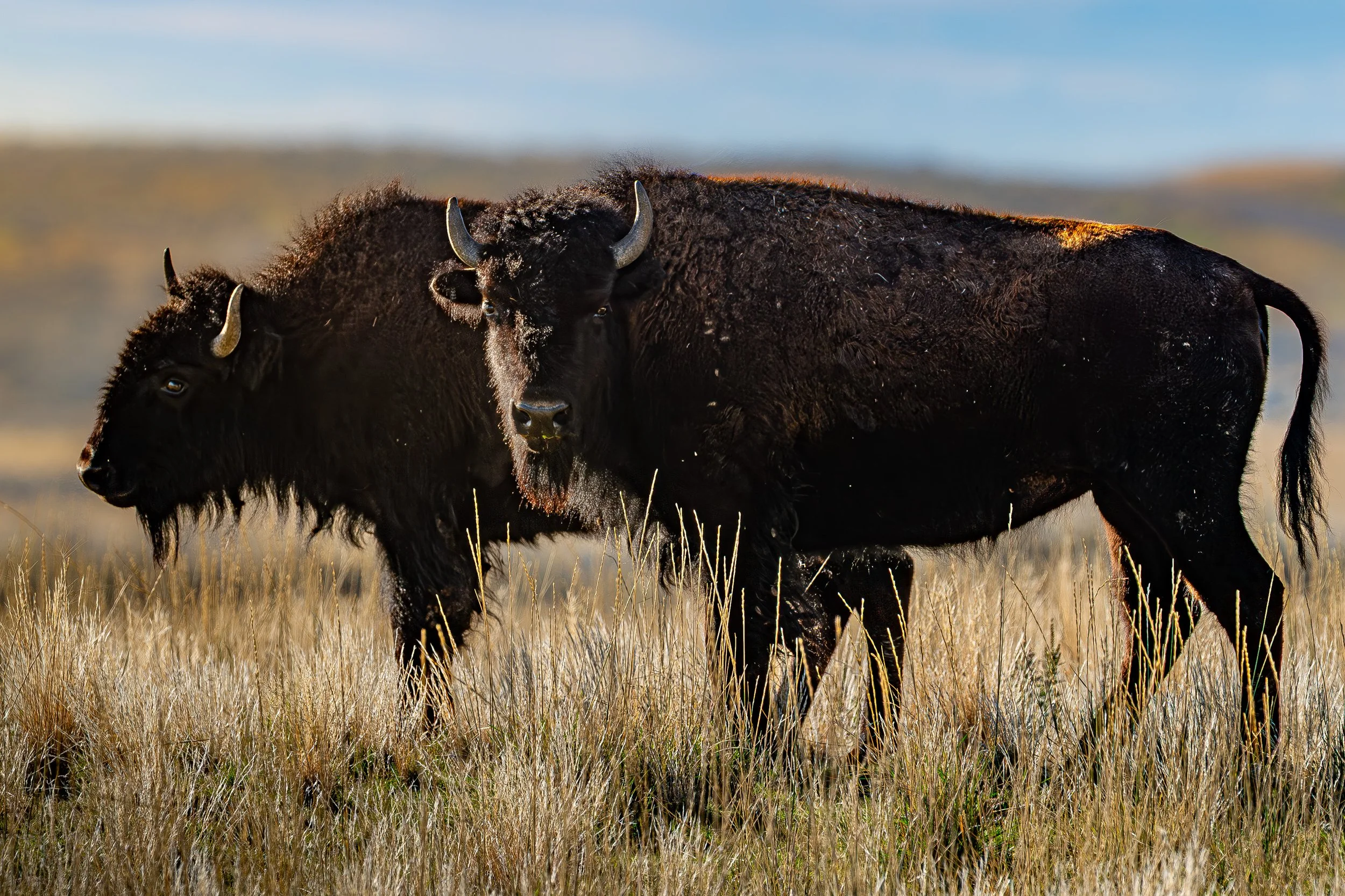
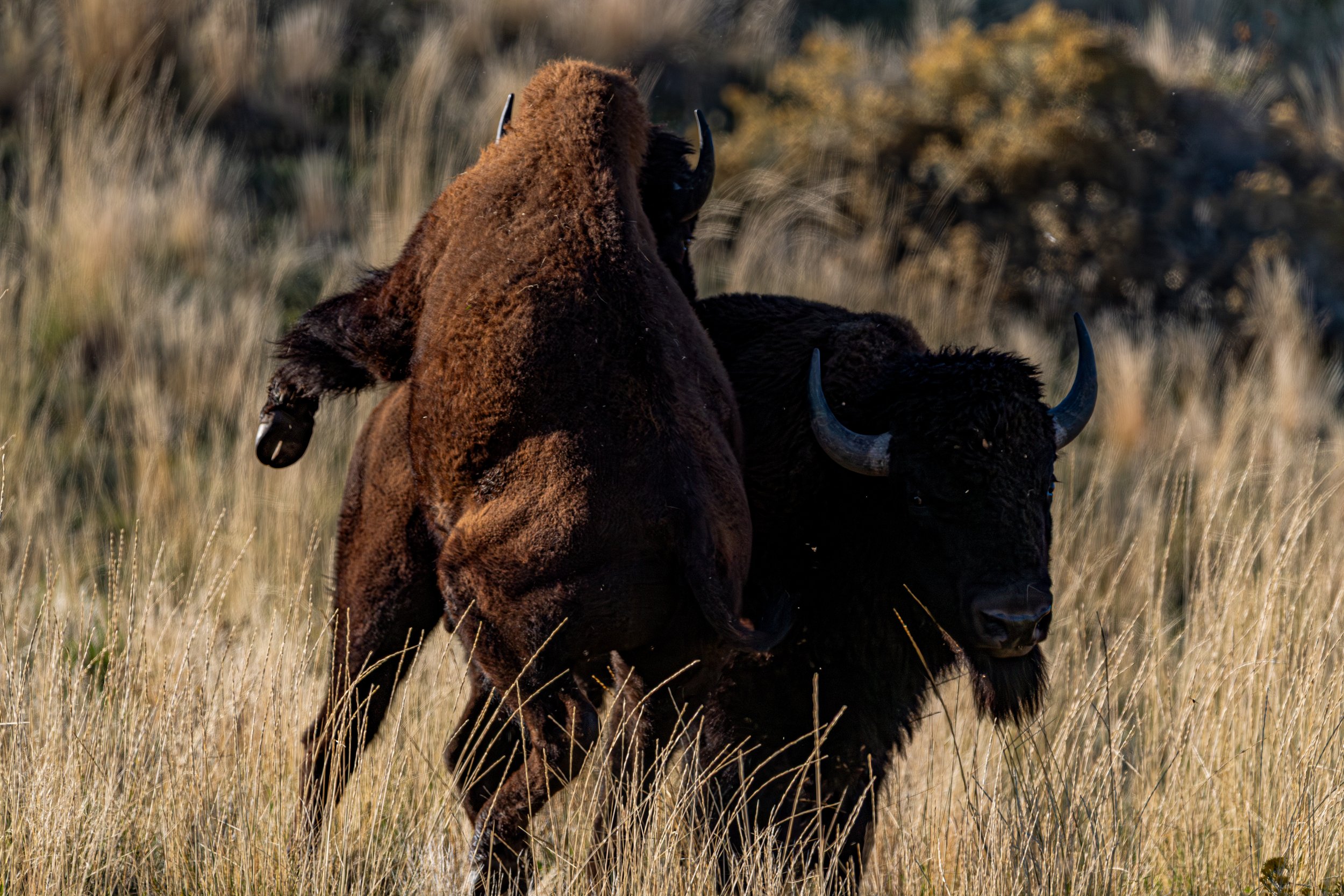
Bison at play.
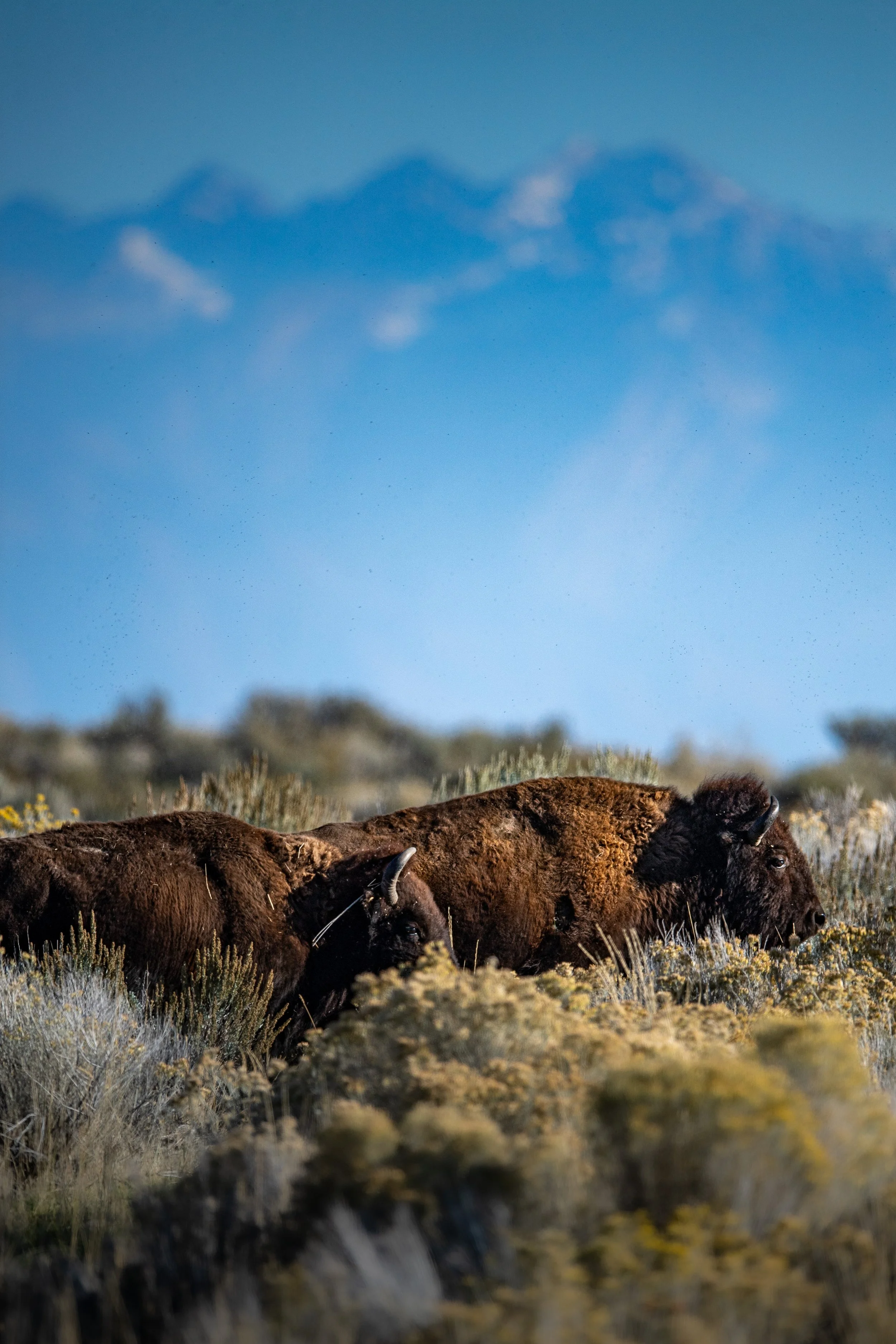
We spent the rest of the day traversing the island doing reconnaissance for the following day. Aside from the bison there were other animals too: burrowing owls, a coyote, a porcupine, and several bird species. Although pronghorn and bighorn sheep roam the island, we were not fortunate enough to see them.
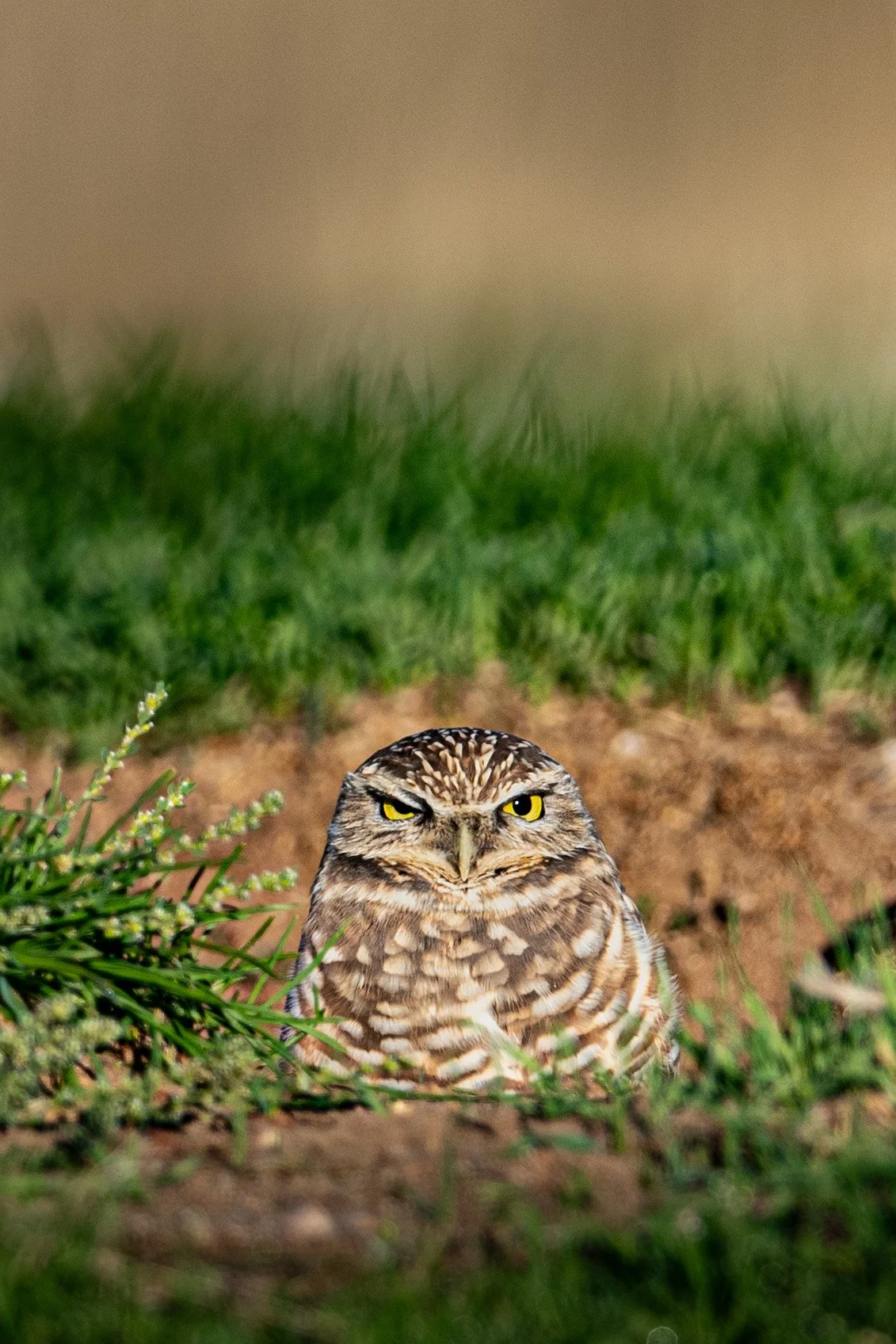
Burrowing Owl
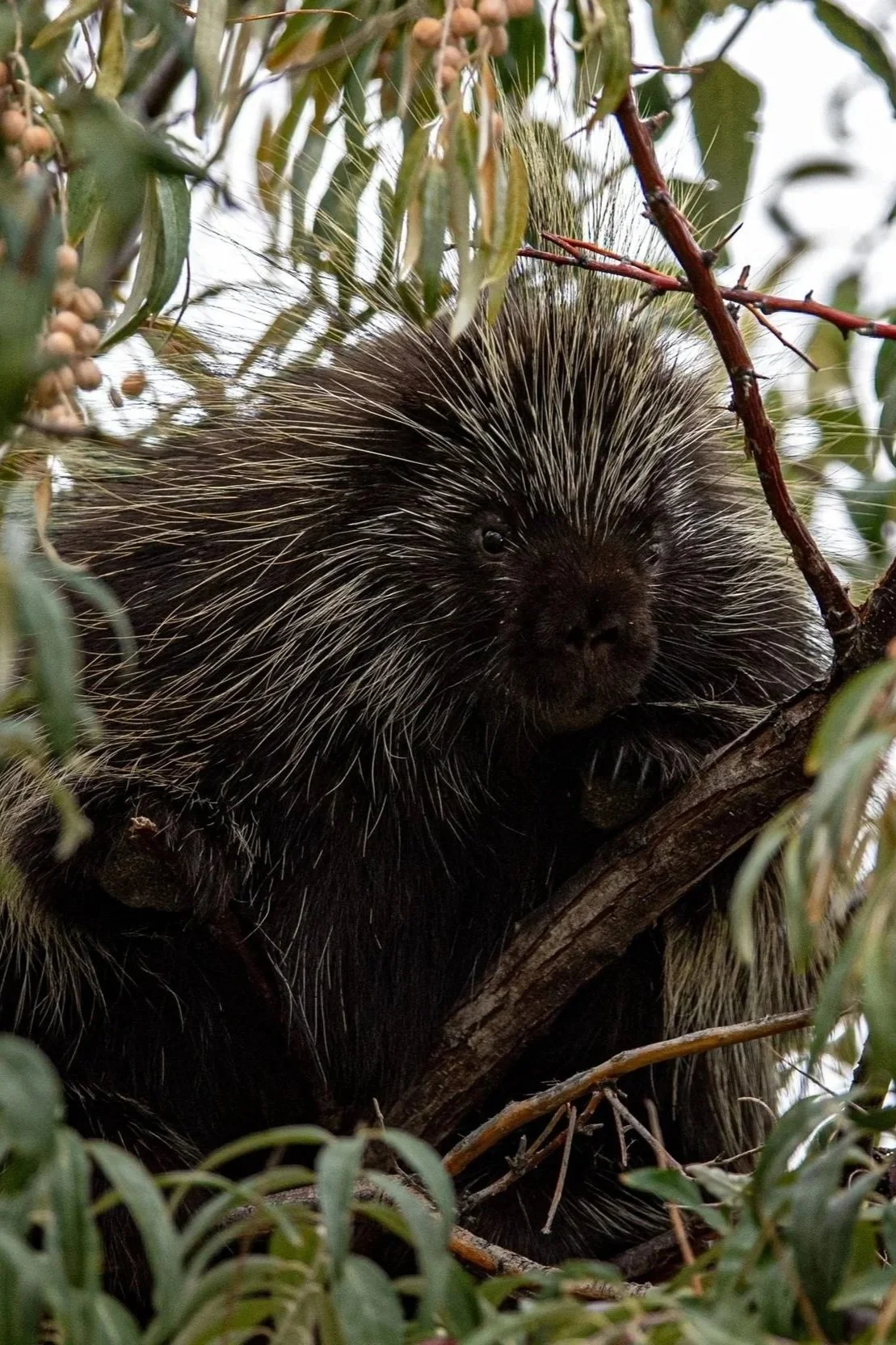
Porcupine in a tree
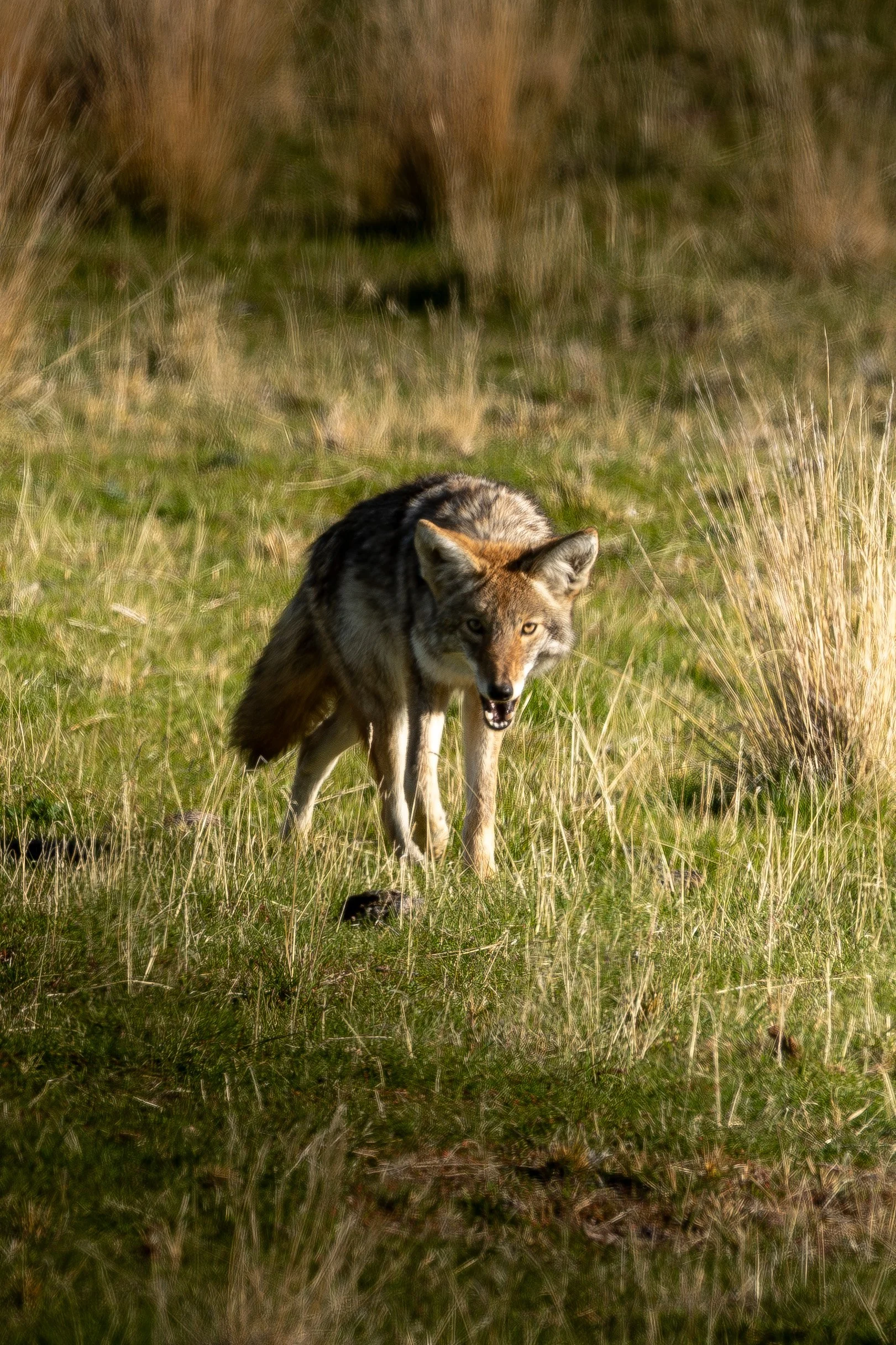
Coyote
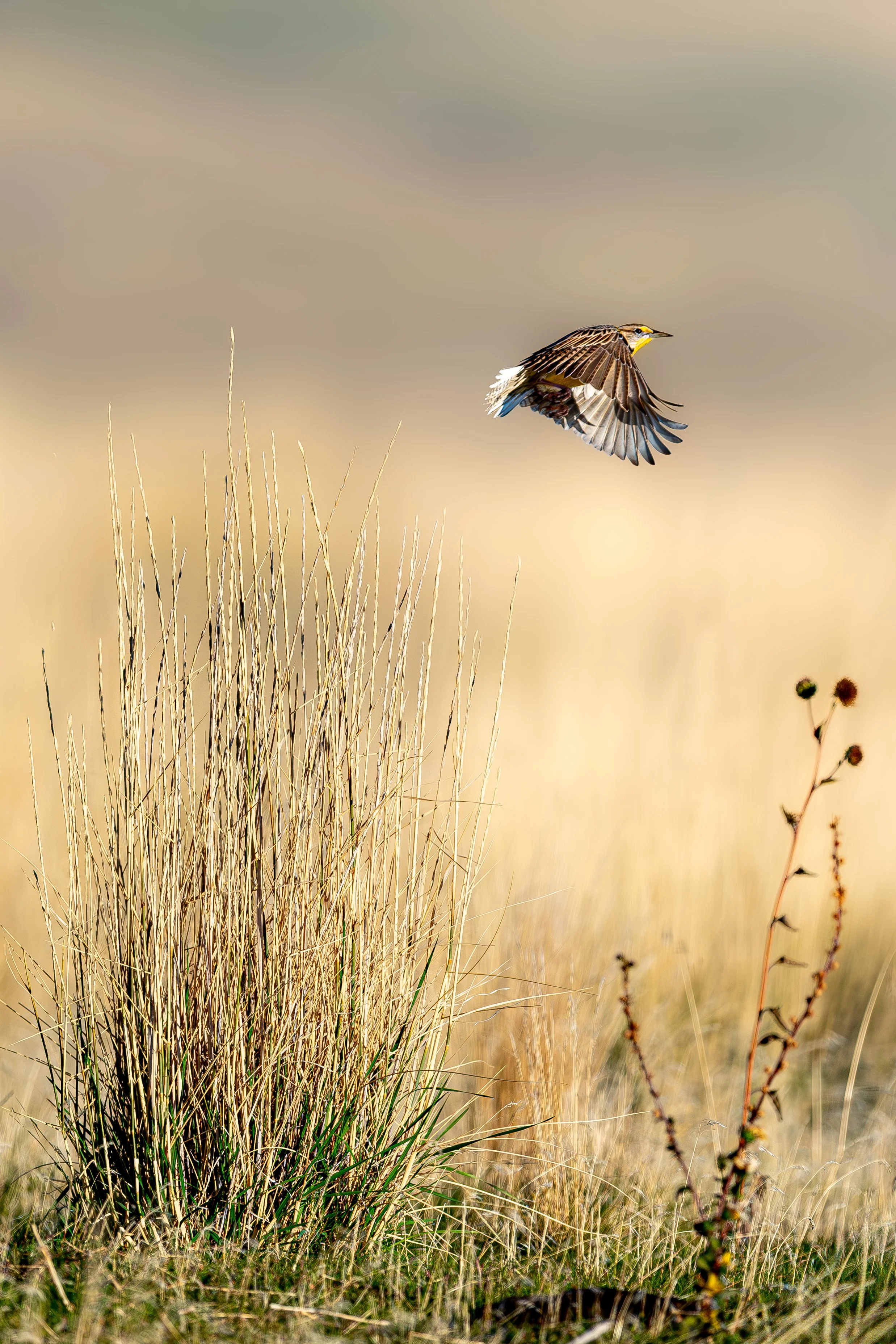
Western Meadowlark
The Roundup
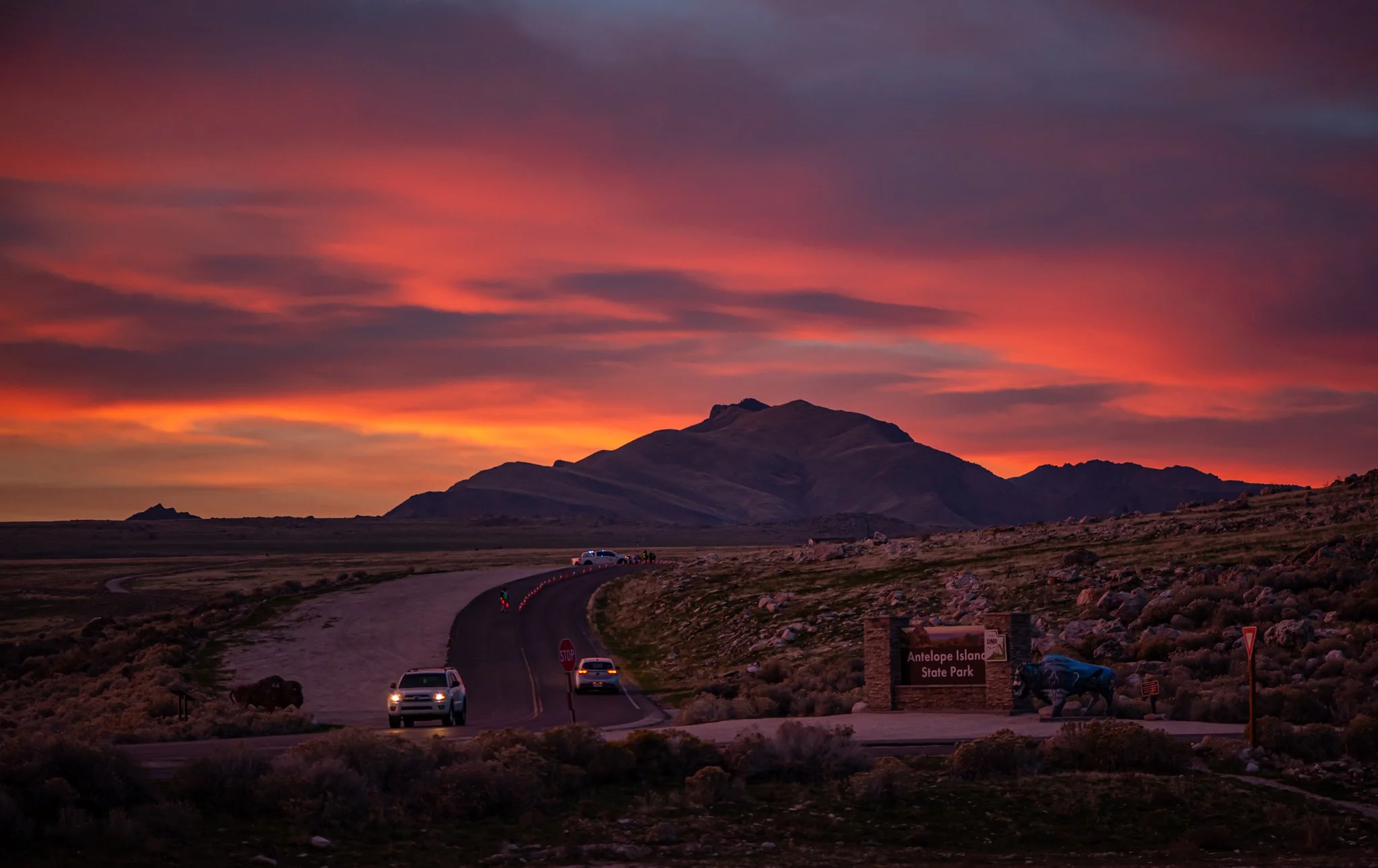
Dawn.
Long before daybreak the next day on October 25th, we were packed and back in the Jeep headed west again. A line of cars was already at the gate to the park at 05:45. The park ranger let us in, but a blockade at the far end of the causeway diverted us into a waiting line. The park was only open to anyone actively involved in the roundup: riders and support teams with horses and trailers. We had to wait until the park officially opened at 08:00. When the rangers opened the road, we went straight down to Fielding Garr Ranch, the staging ground for the roundup.
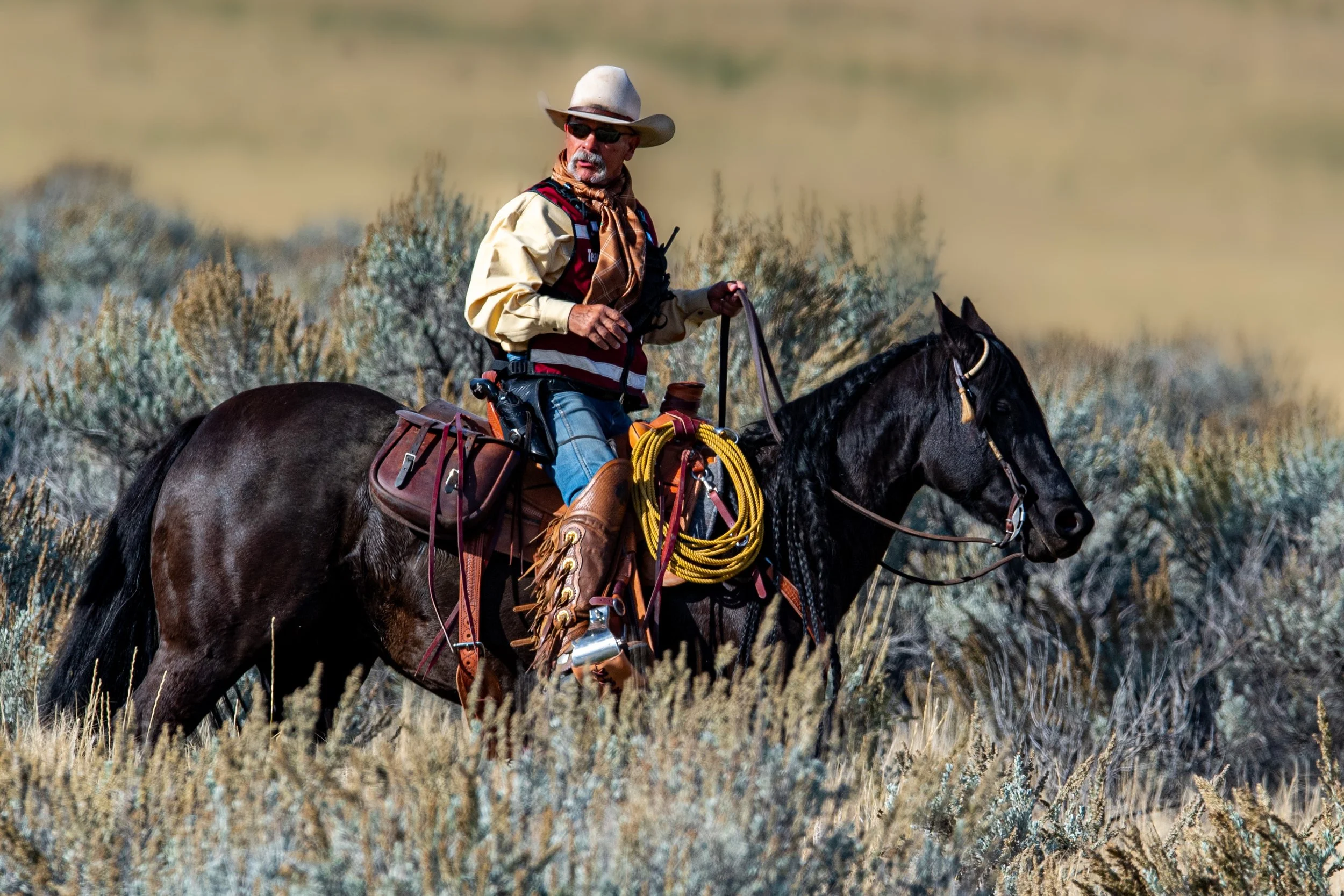
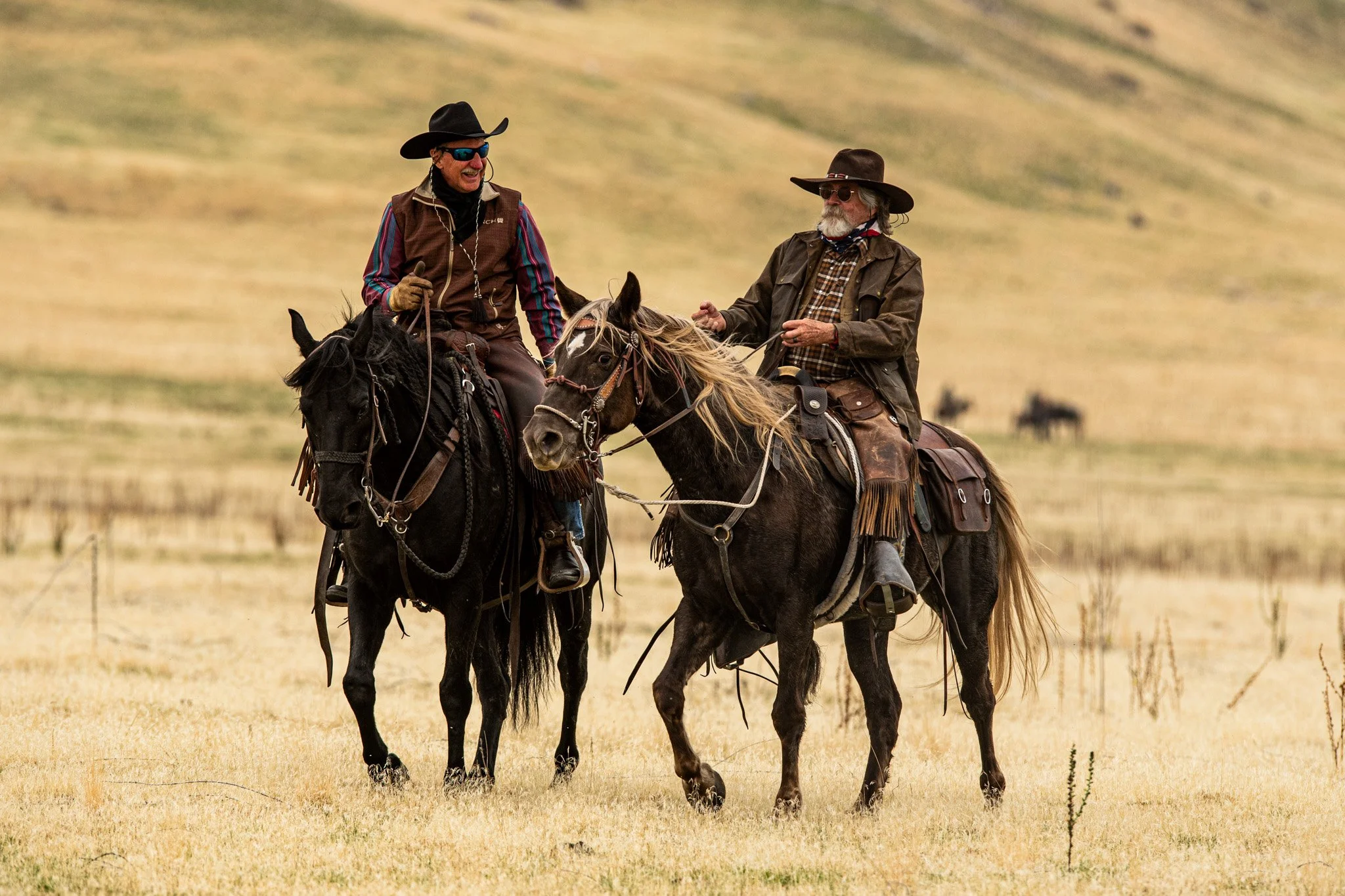
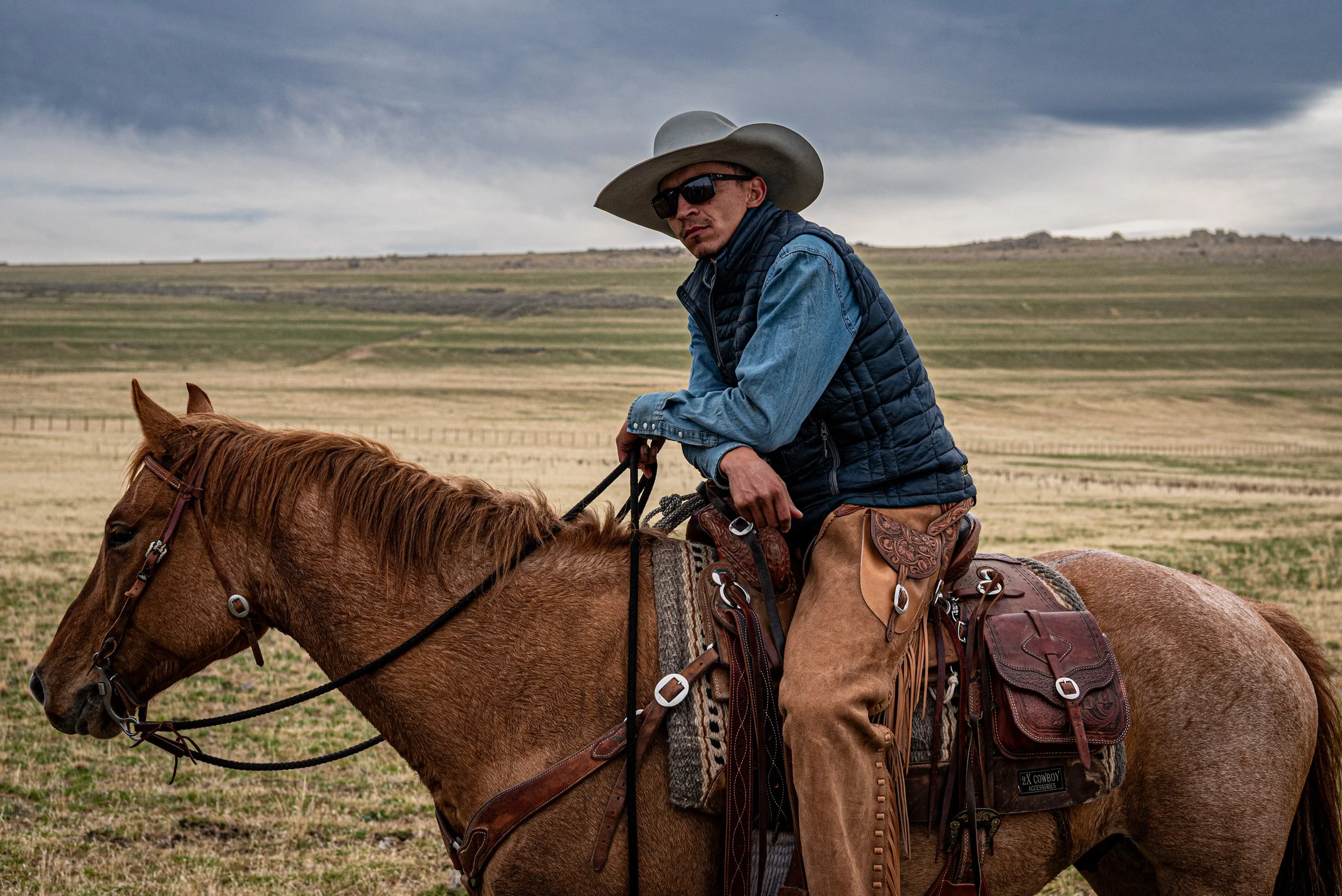
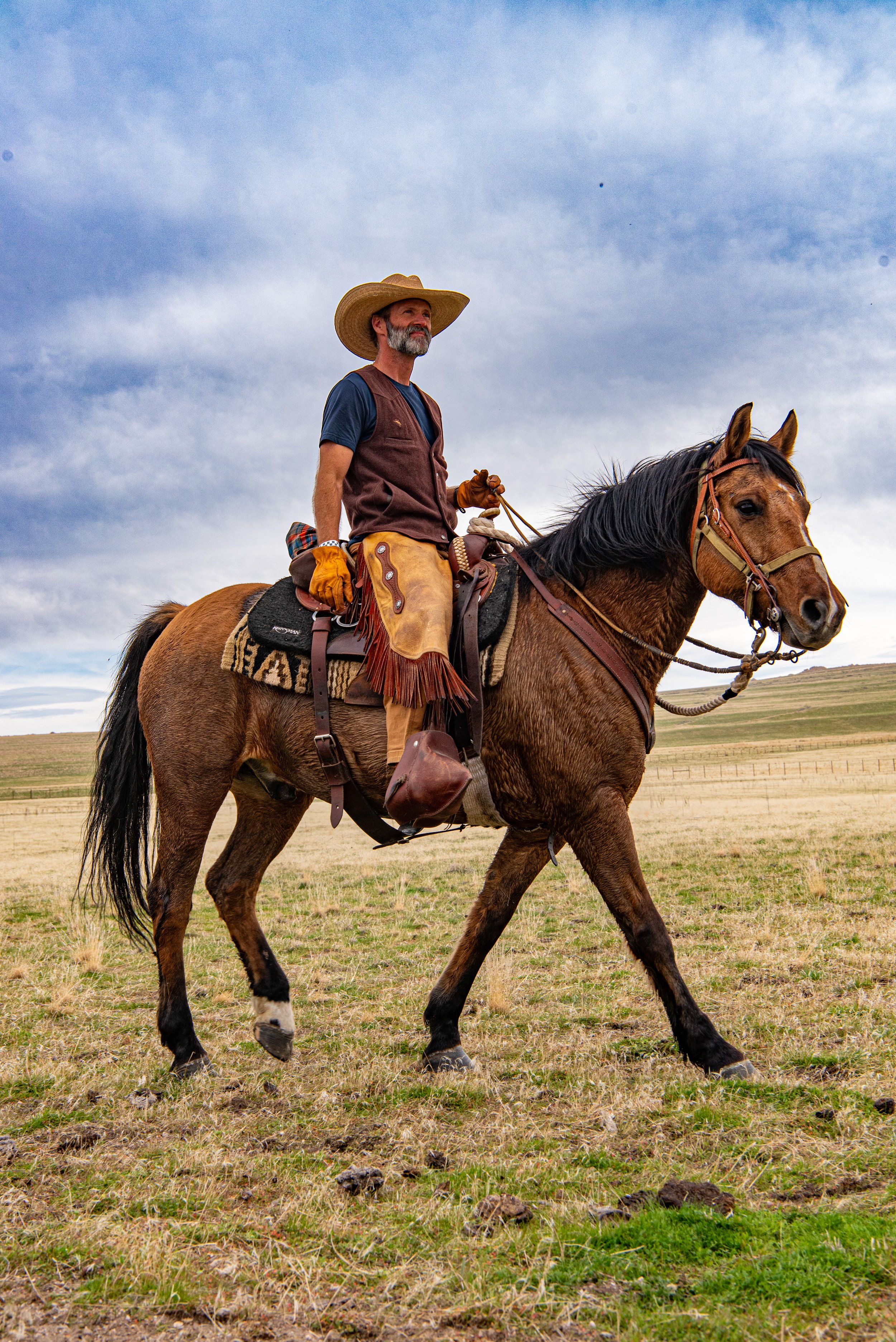
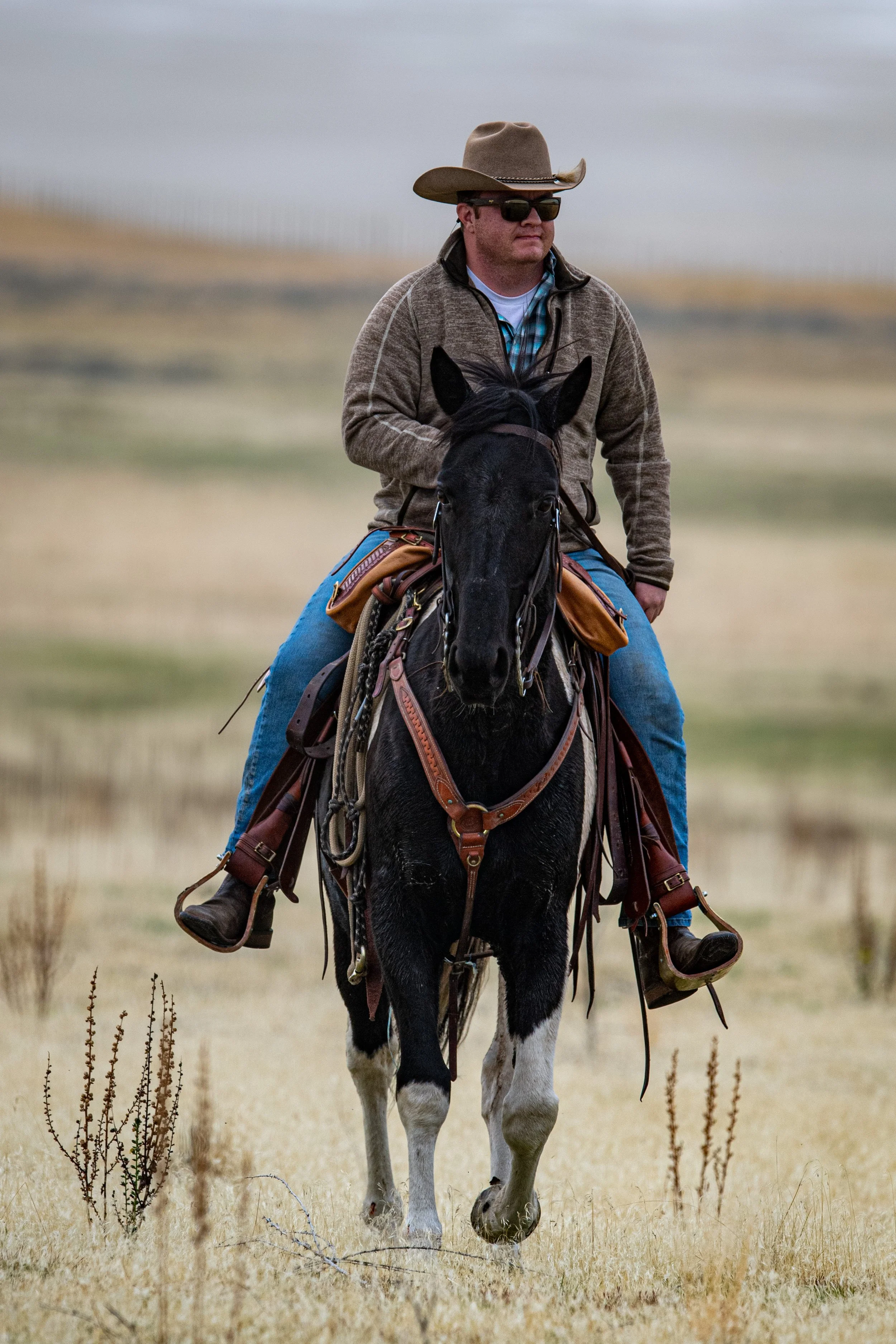
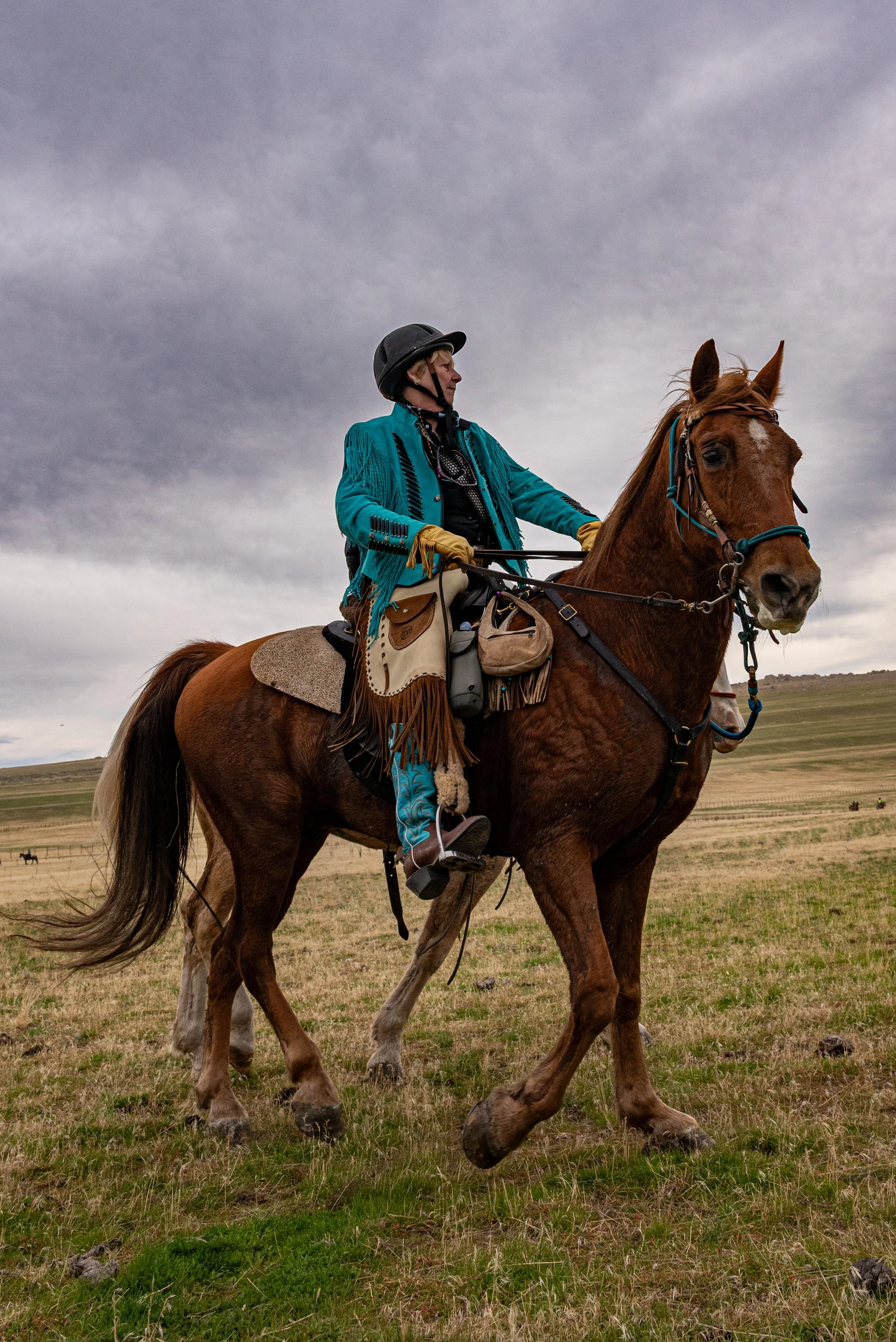
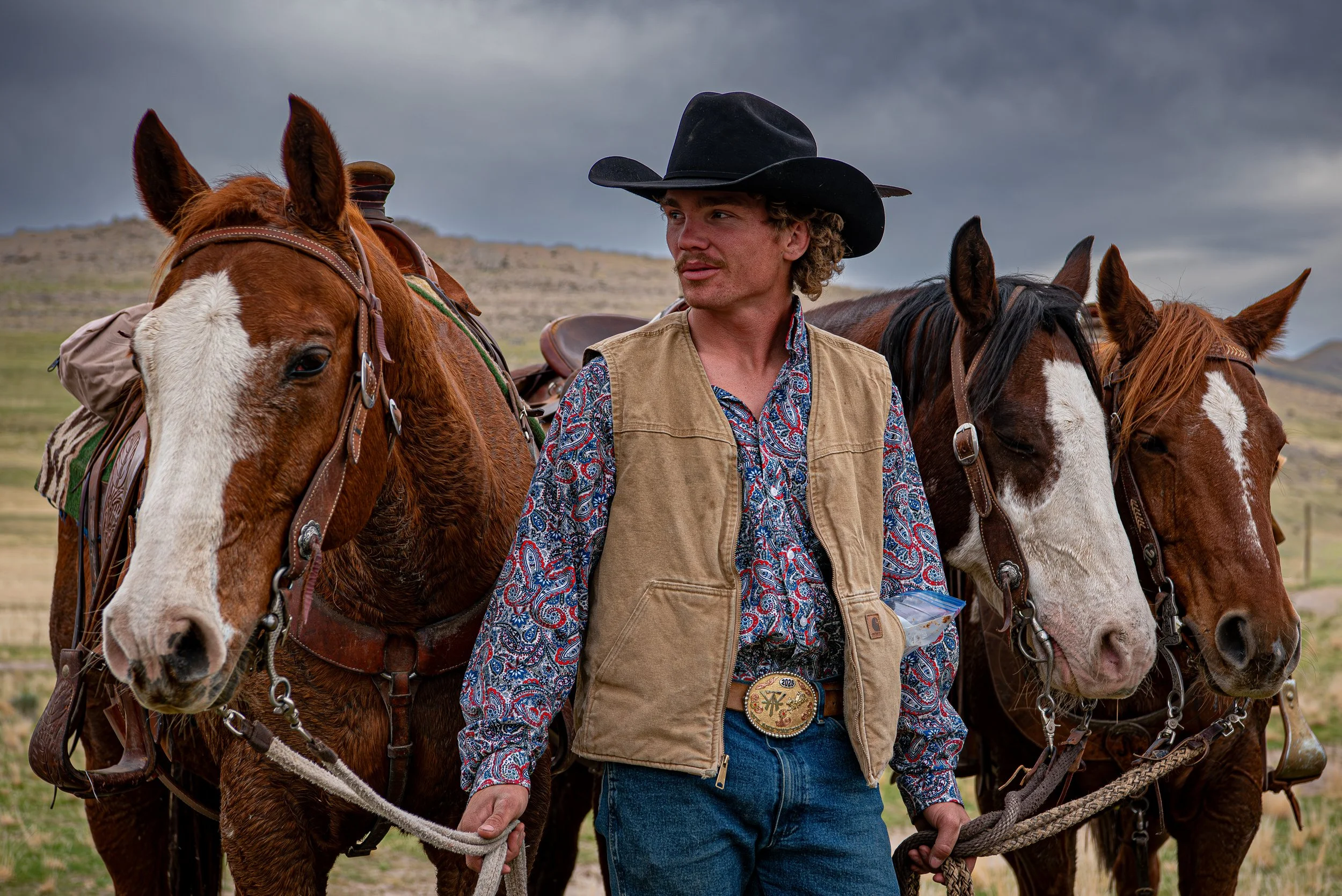
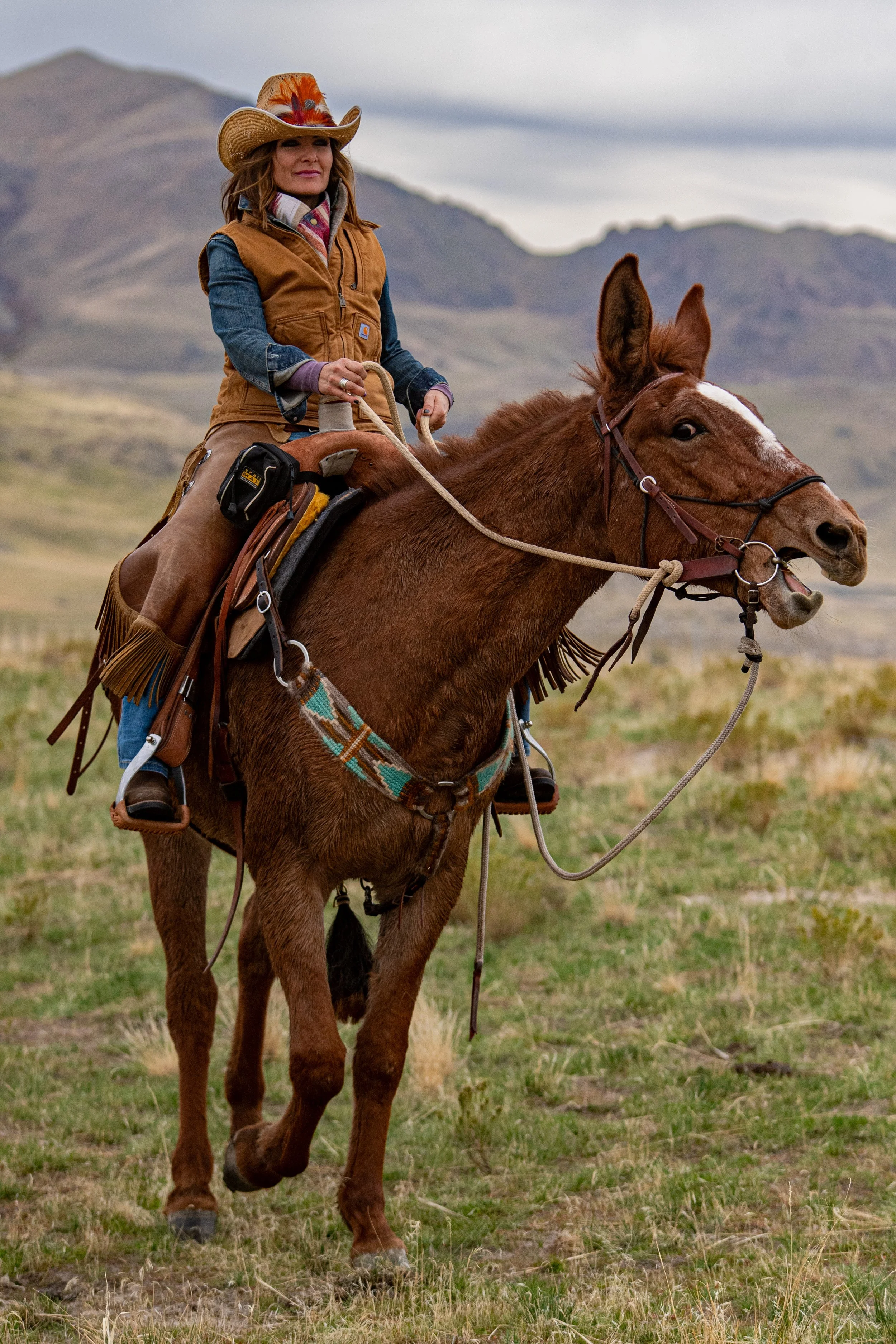
The encampment consisted of trailers, fifth-wheels, trucks, tents, and a teepee. A host of characters was milling about on foot and horseback: cowboys, cowgirls, park rangers, local and state law enforcement, biologists, journalists, and photographers. It’s a photographer’s paradise. Every rider has a unique personality, outfit, and horse. The soft light of the rising run breaking over the range to the east made for great color and a great background.
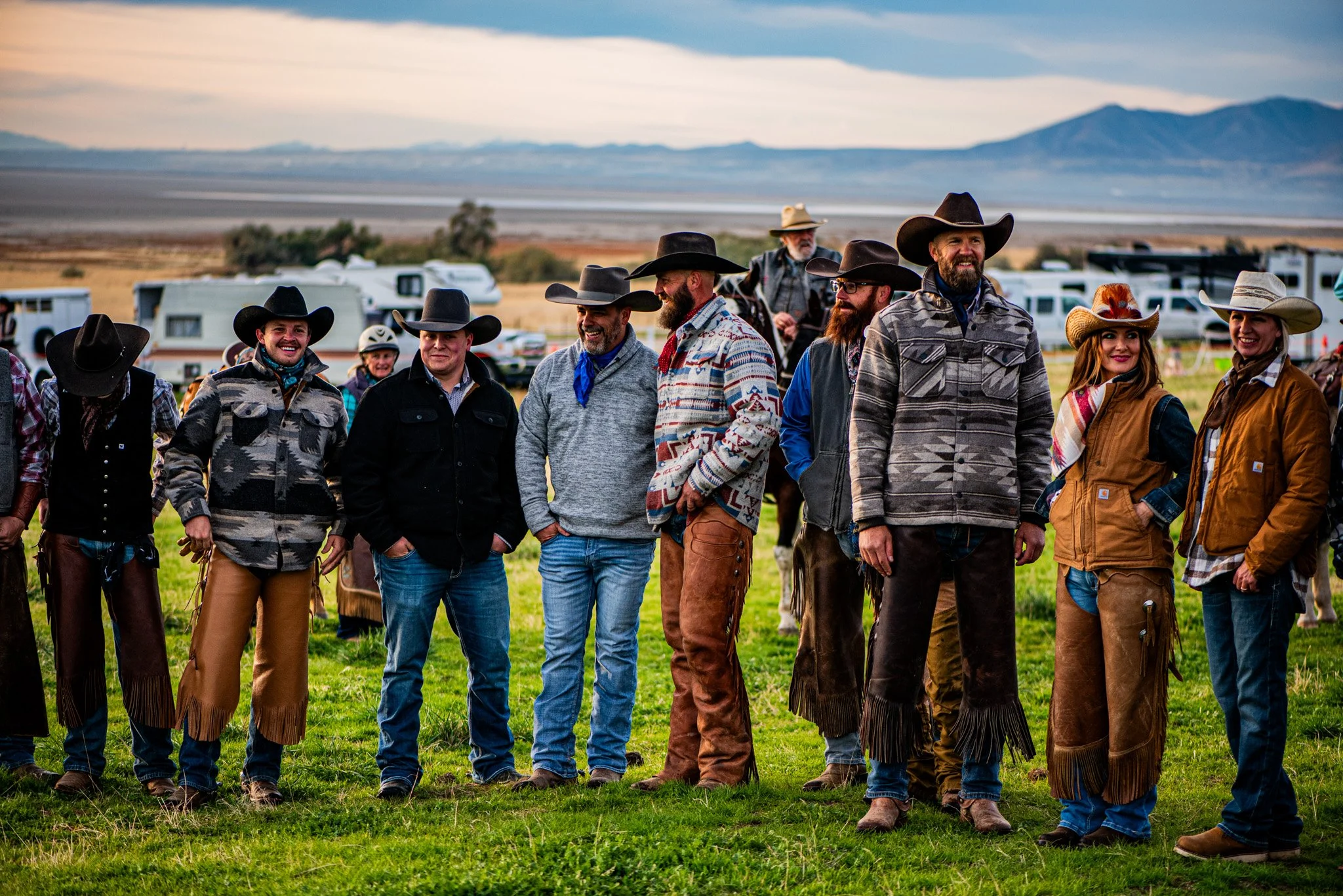
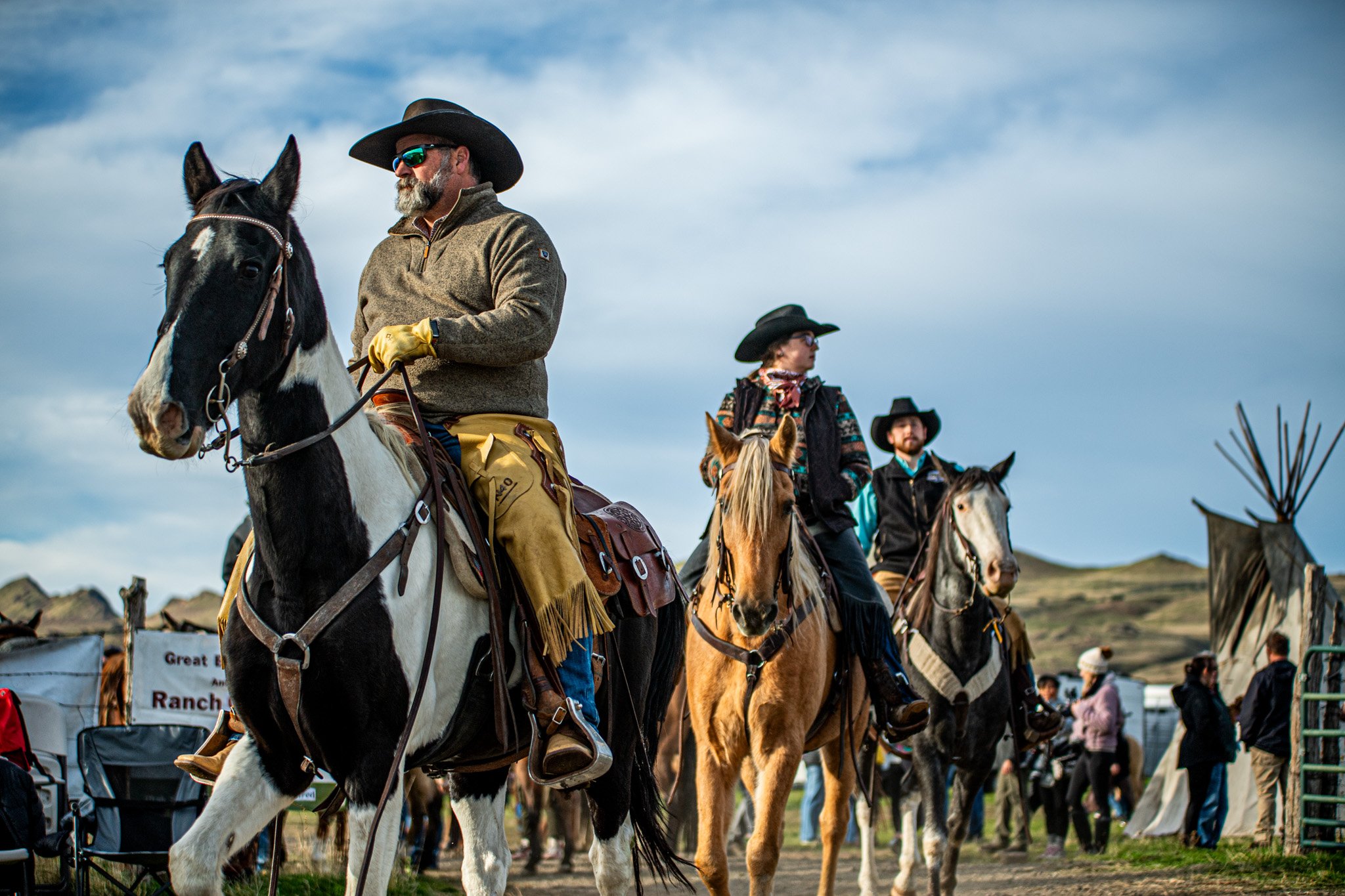
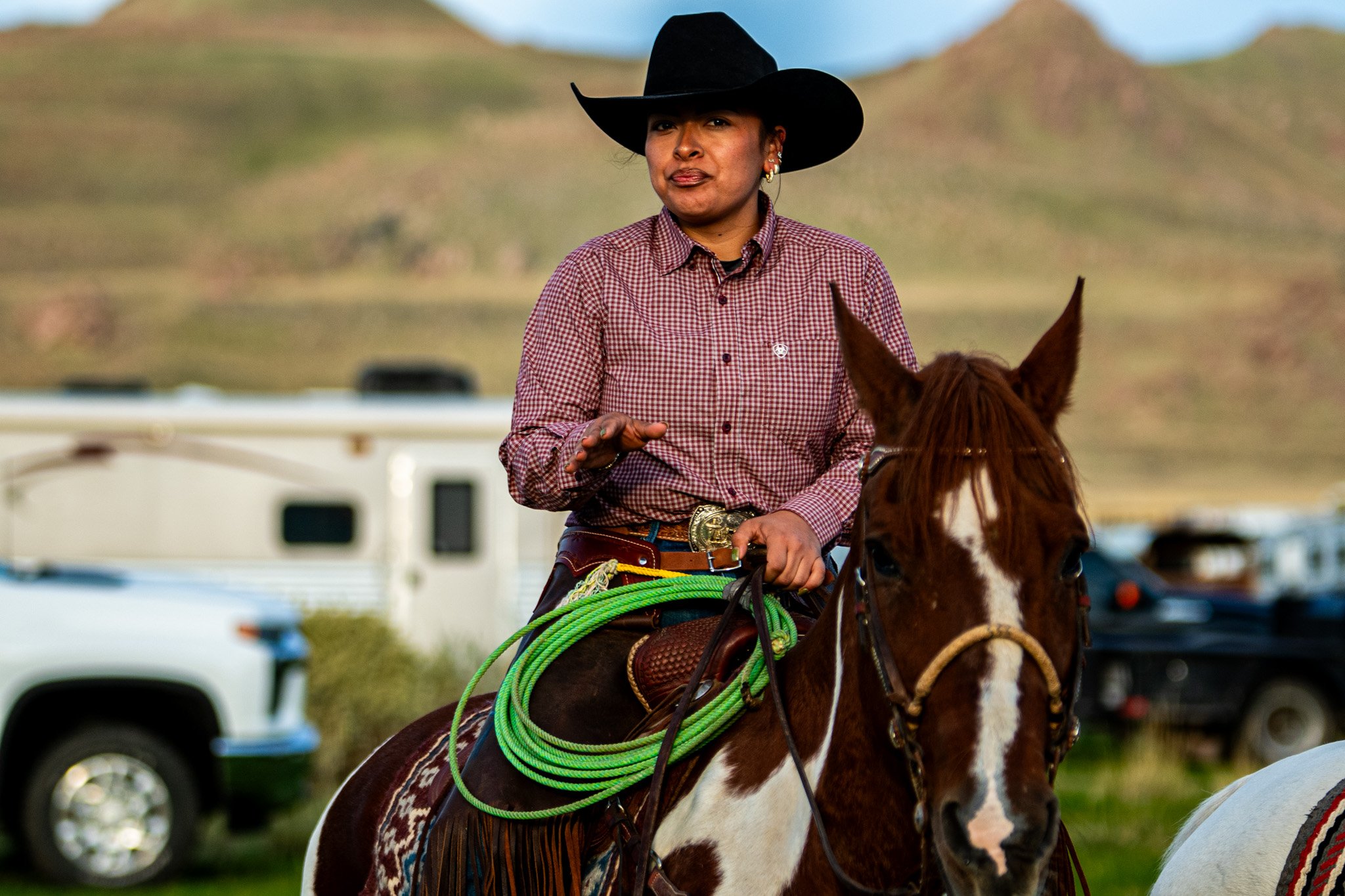
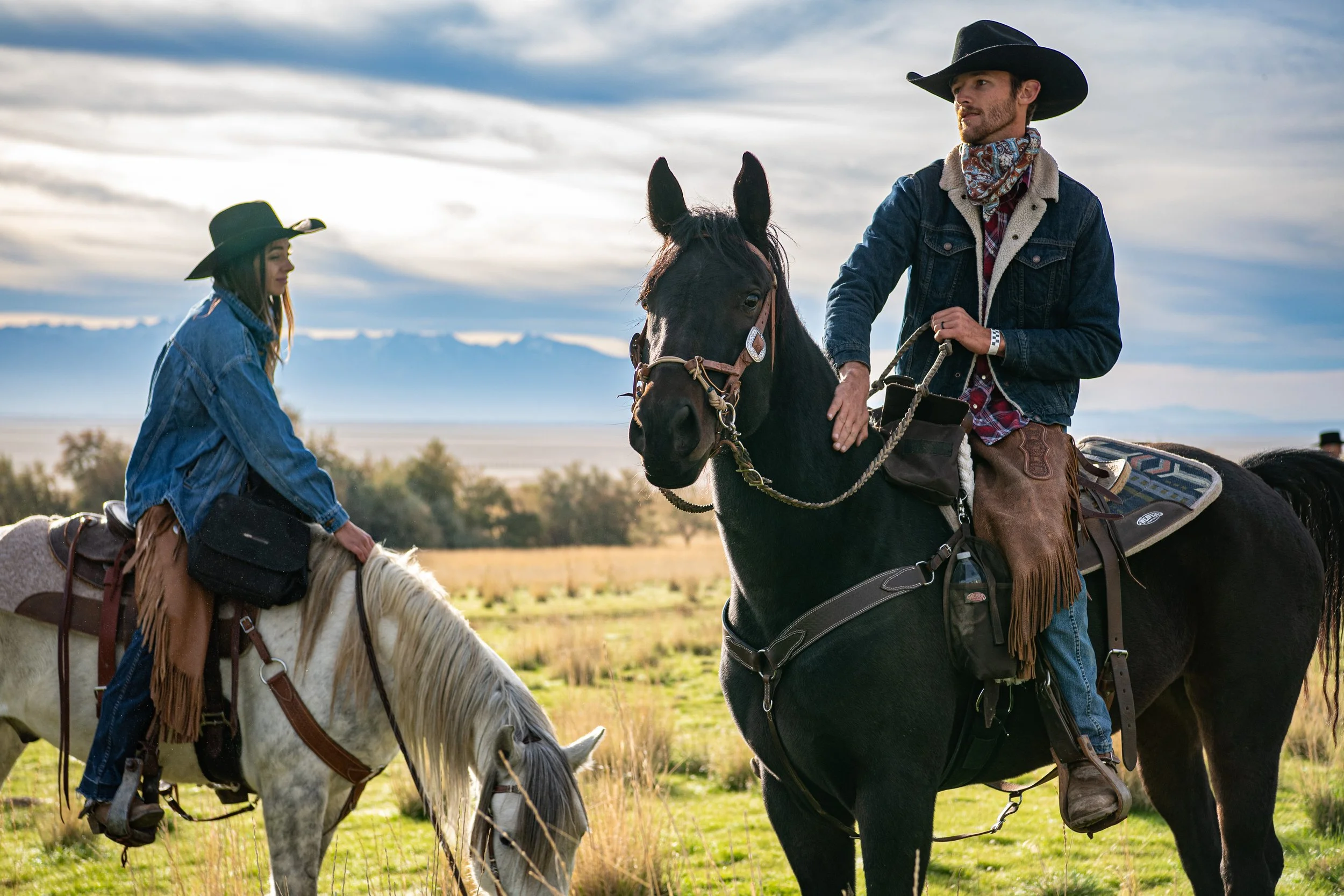
At 8:30 the crowd was gathered around the back of a pickup truck. Park manager, Doranne Pittz and Commander of the Roundup, Jeremy Shaw provided remarks on the importance of bison roundup. The island has no natural predators for the bison and can only support approximately 500 to 550 animals. Those numbers swell to approximately 700 to 800 each year. To conserve the herd and protect the island, the animals are rounded up, inspected, vaccinated, and auctioned. The sale of the animals brings in about a half a million dollars for the state park each year. On top of that, approximately 3,000 spectators visit the island for the roundup, bringing in about another $50,000 dollars.
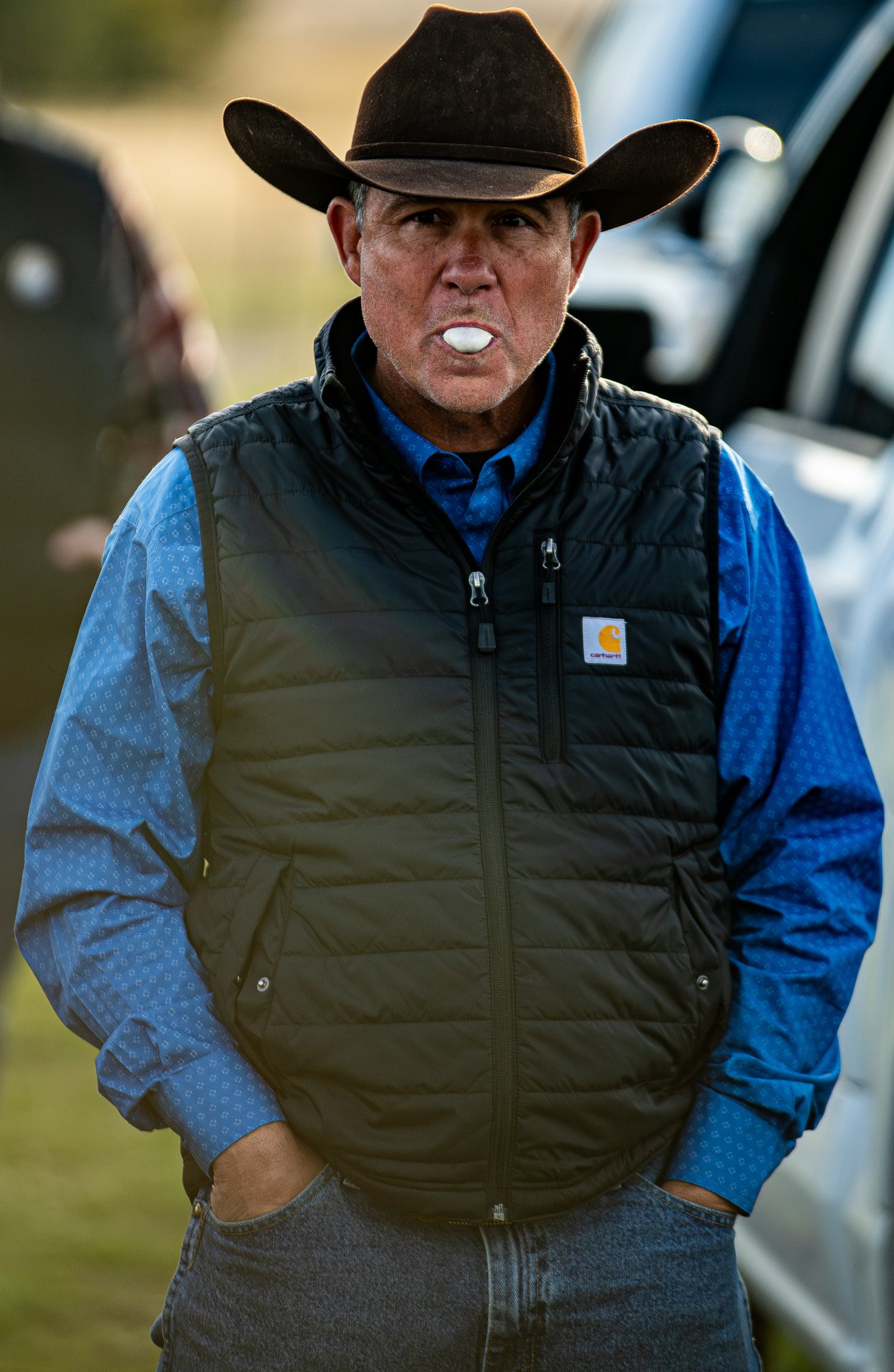
The Commander of the Roundup, Jeremy Shaw
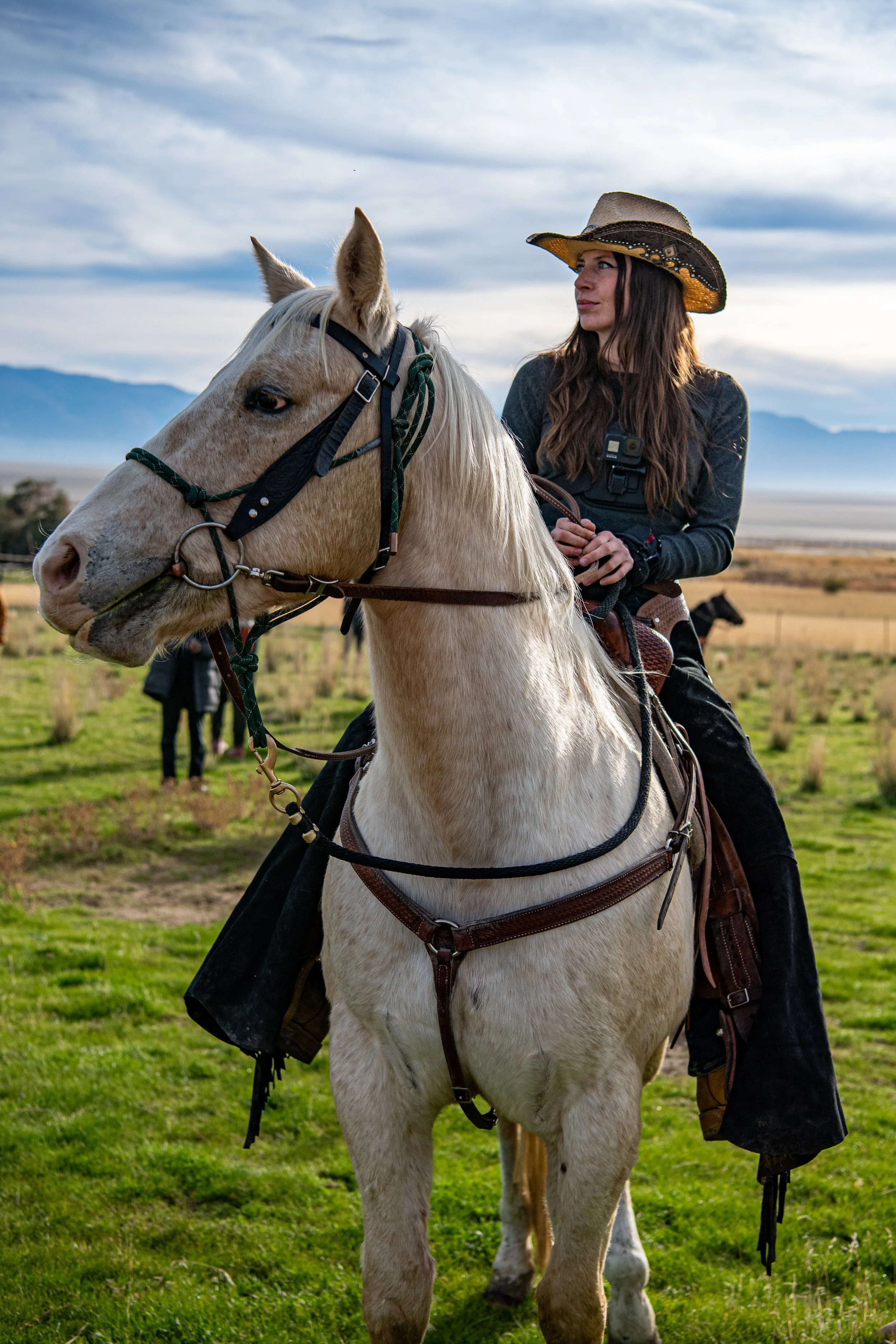
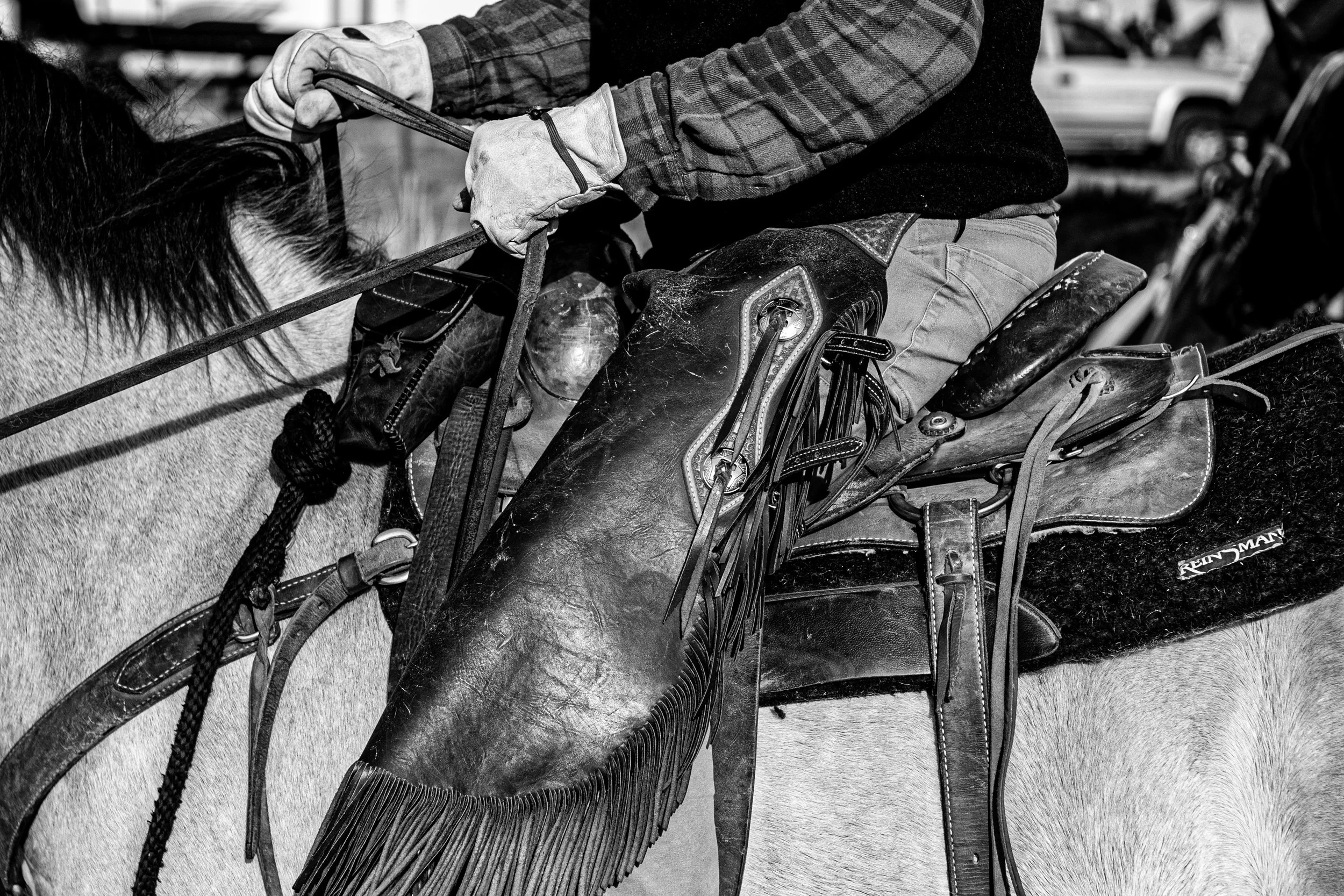
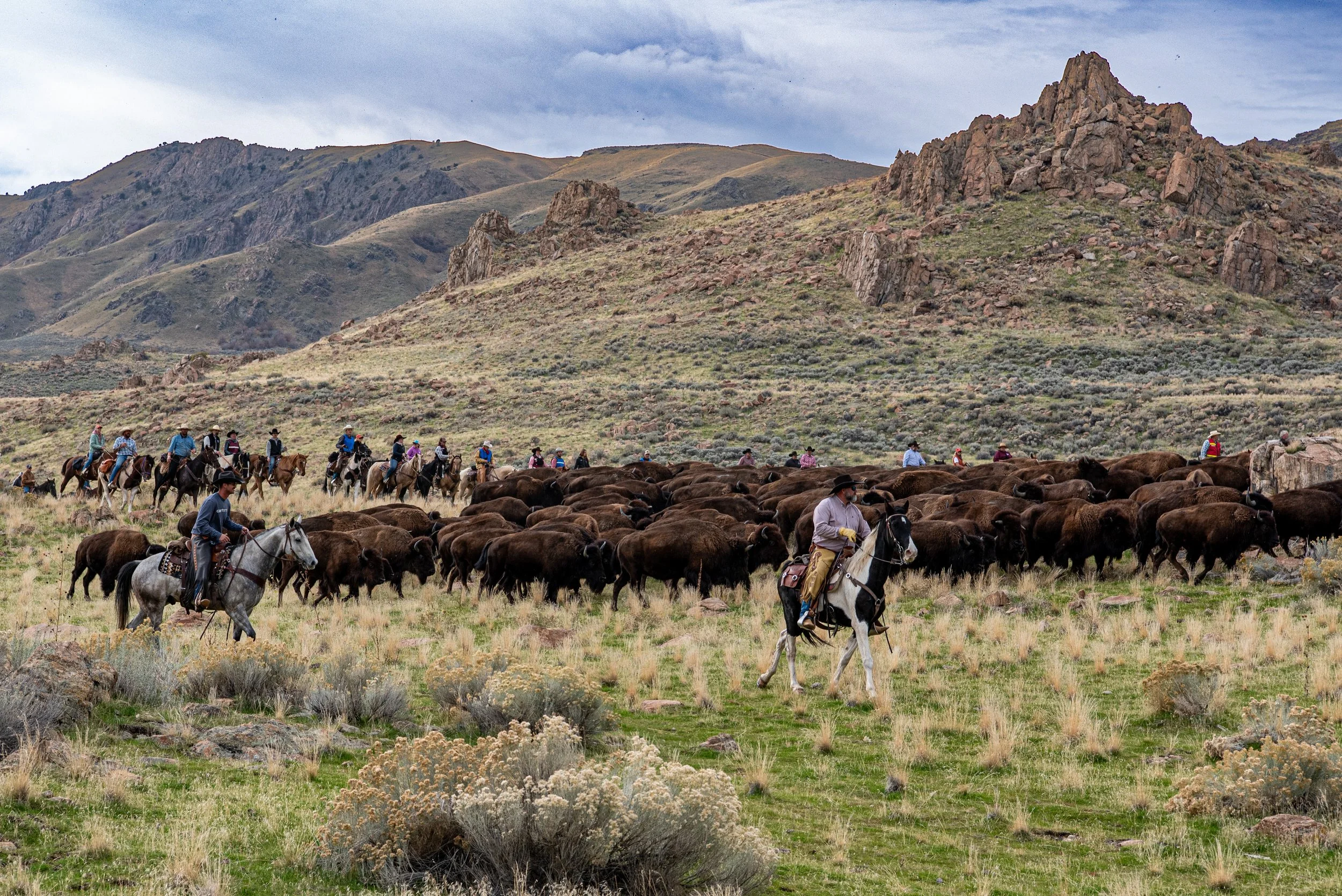
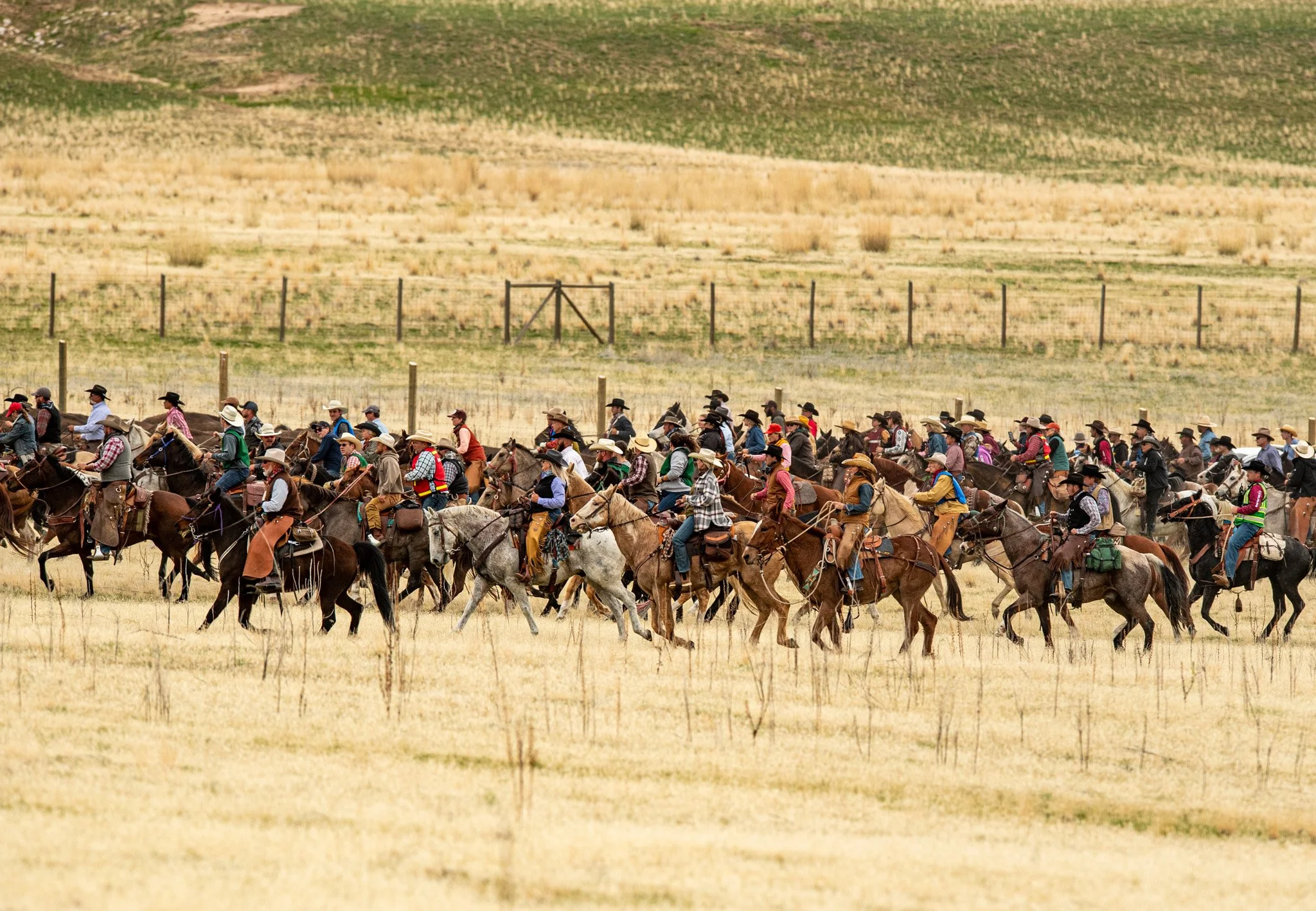
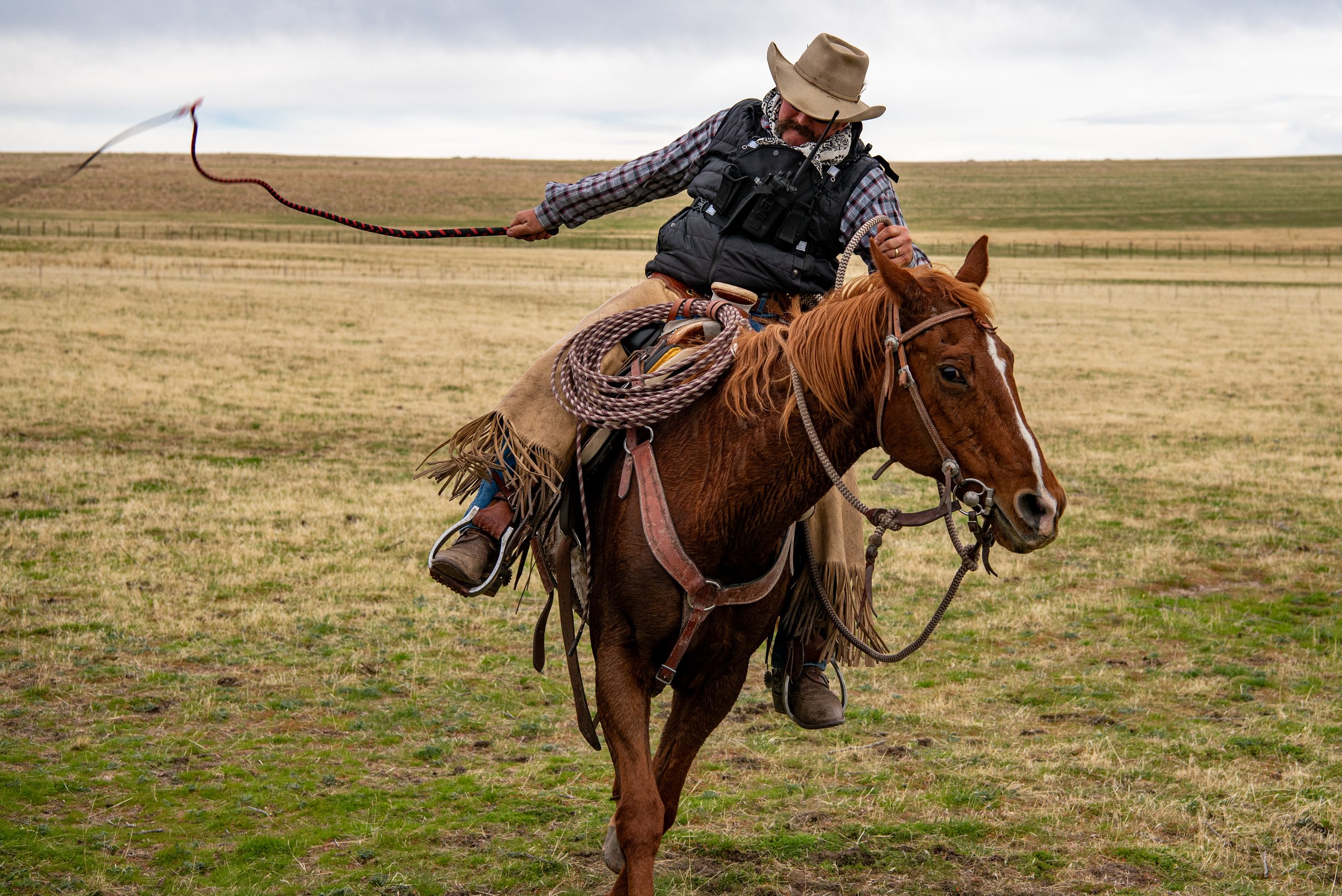
The riders are divided into three teams: road, center, and mountain flank to control the herd. The lead of the center team provided comments on safety. Aside from a contingent of posse riders, most are civilians, and many are there for the first time. To that end, the center lead talked about the importance of communication, how often to use a whip, where the emergency services would be and how to contact them, etc. Team leaders and select team members carried loaded firearms with bird shot to deter any bison that would charge. Both of us have long histories of involvement in safety meetings in our respective lines of work, so this felt fairly familiar. After the safety talk, Rios Pacheco of the Northern Shoshone tribe provided a blessing for the team leads and riders before they mounted up and gathered in their teams.
The herd was located approximately 2 miles north of Fielding Garr Ranch, so there was a little bit of time for us to get into position. We headed north and found a place to watch the riders come over the ridge into the valley where the bison were. Our big lenses immediately draw attention and with it we were able to gain and provide intel on where to go and how to get the best shots. For much of the drive though, the herd is fairly far from the road and even our long lenses struggle to make decent photos. But at one section a rocky outcrop forces the herd into a chokepoint right next to the road. We got into position and within about 15 minutes the herd rumbled by. We could hear the panting breath of the bison as they came over the rocky terrain, saliva dripping from their wagging tongues. Riders called to their horses and each other to keep the herd together. The entire parade went by in just ten minutes.
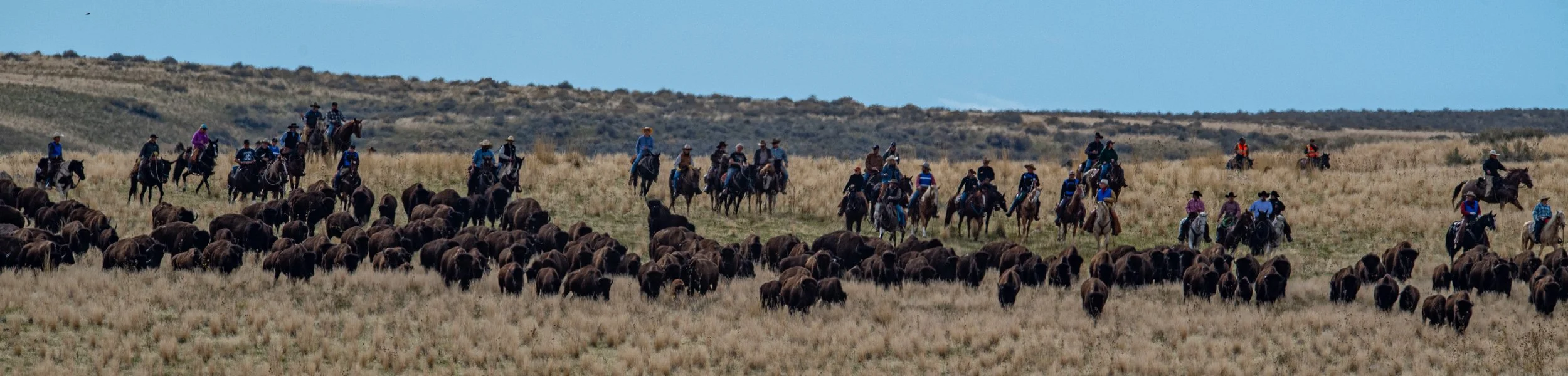
First Contact
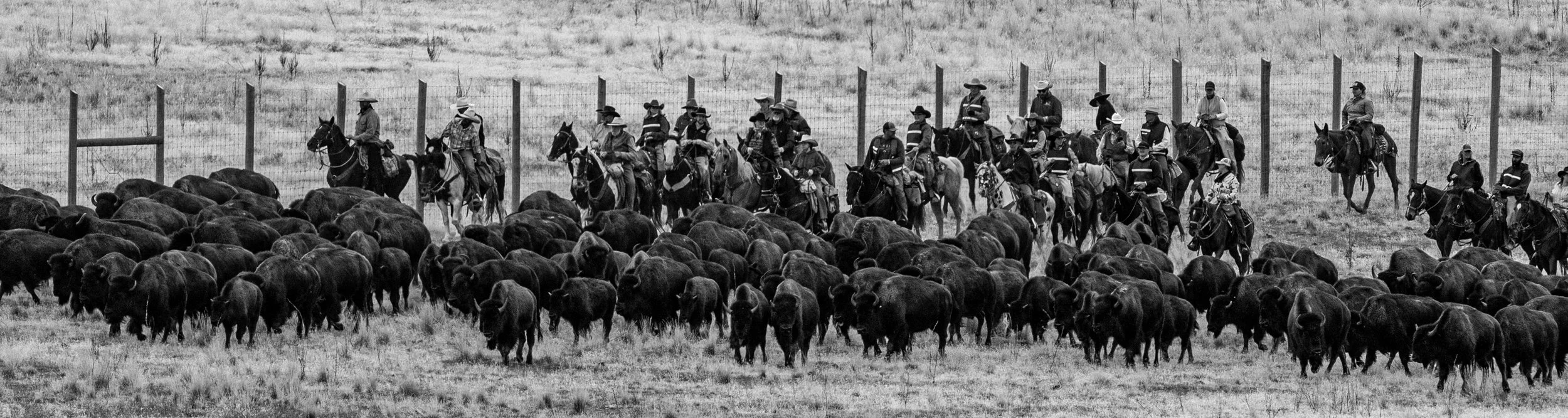
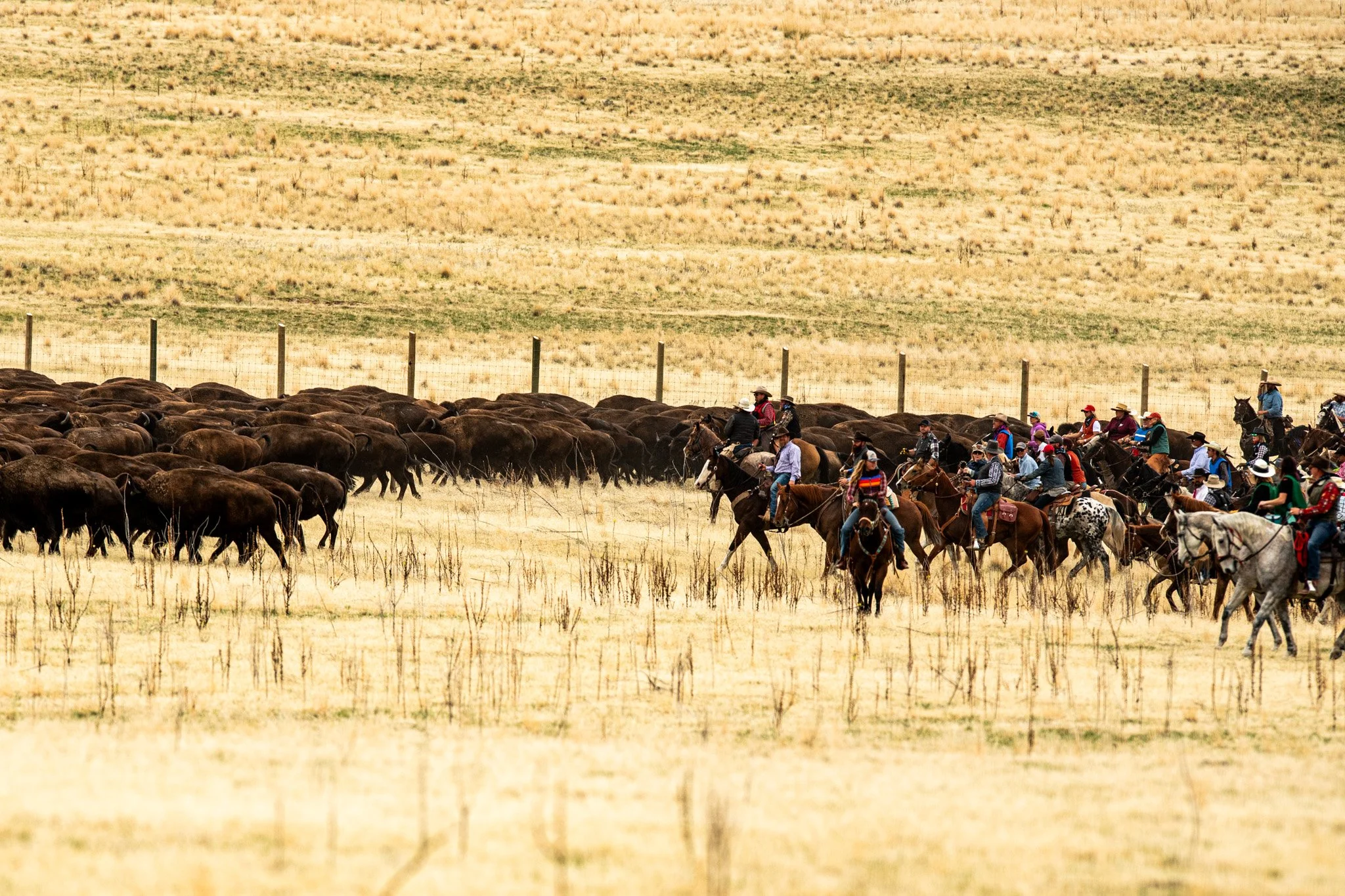
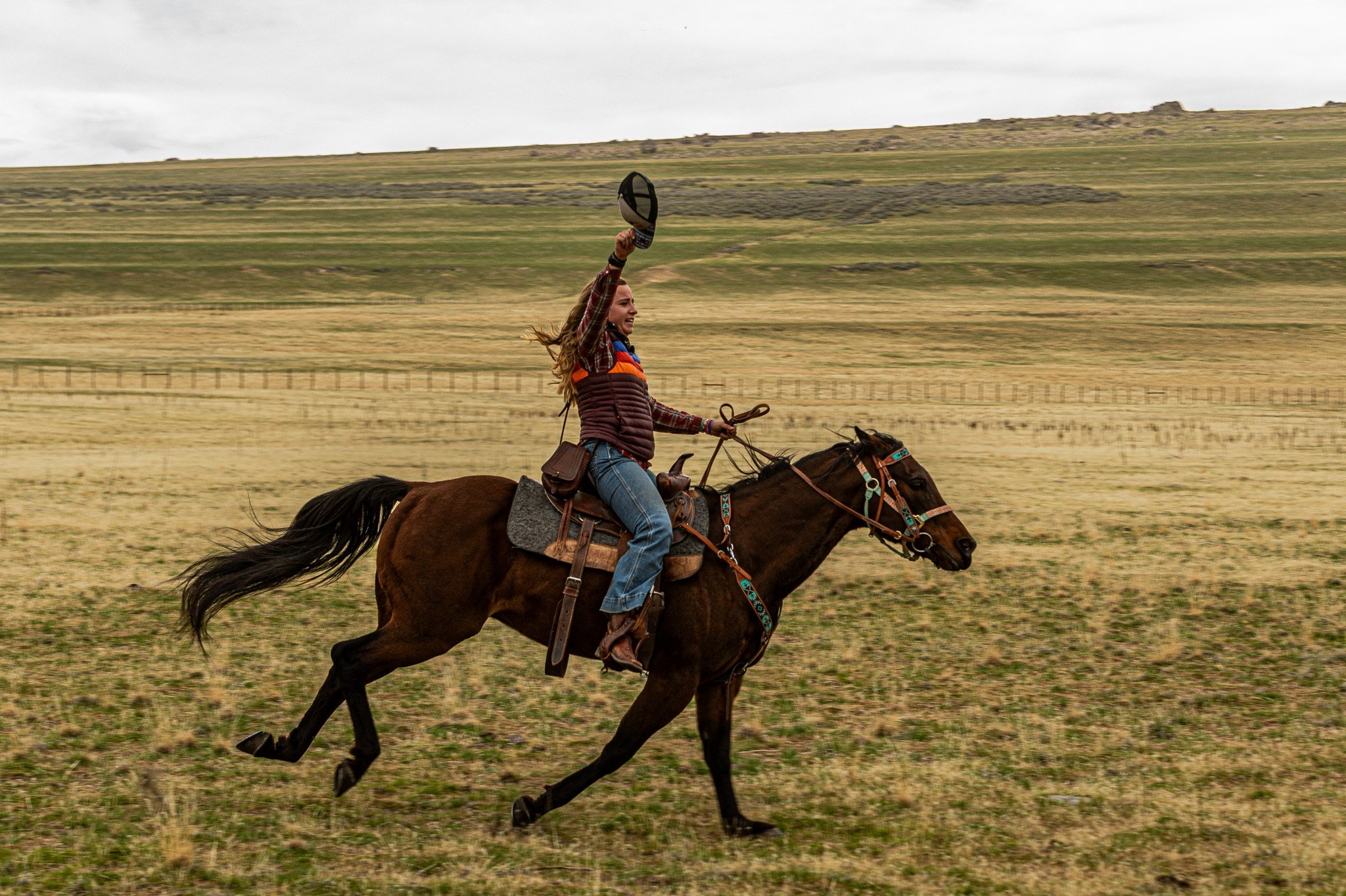
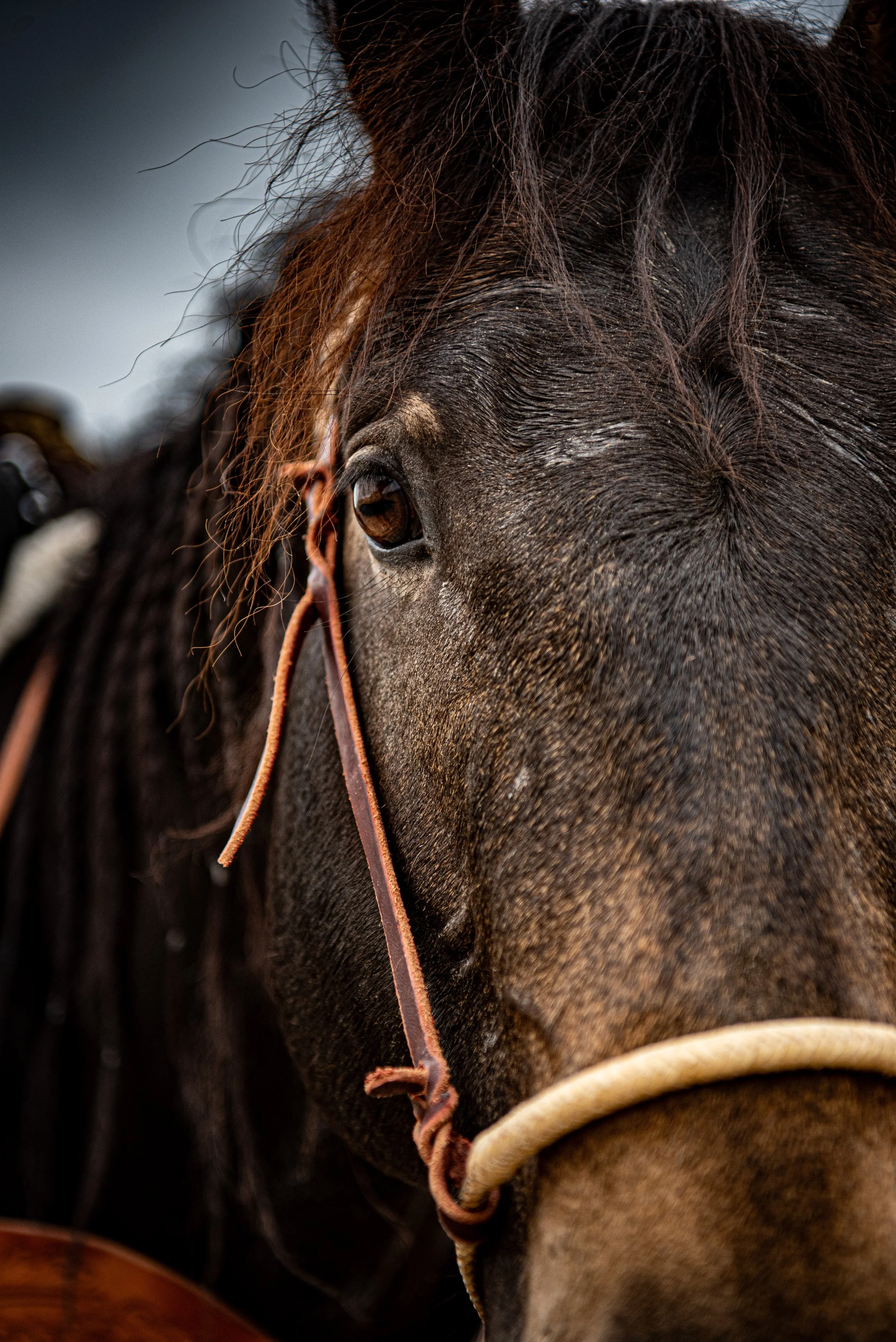
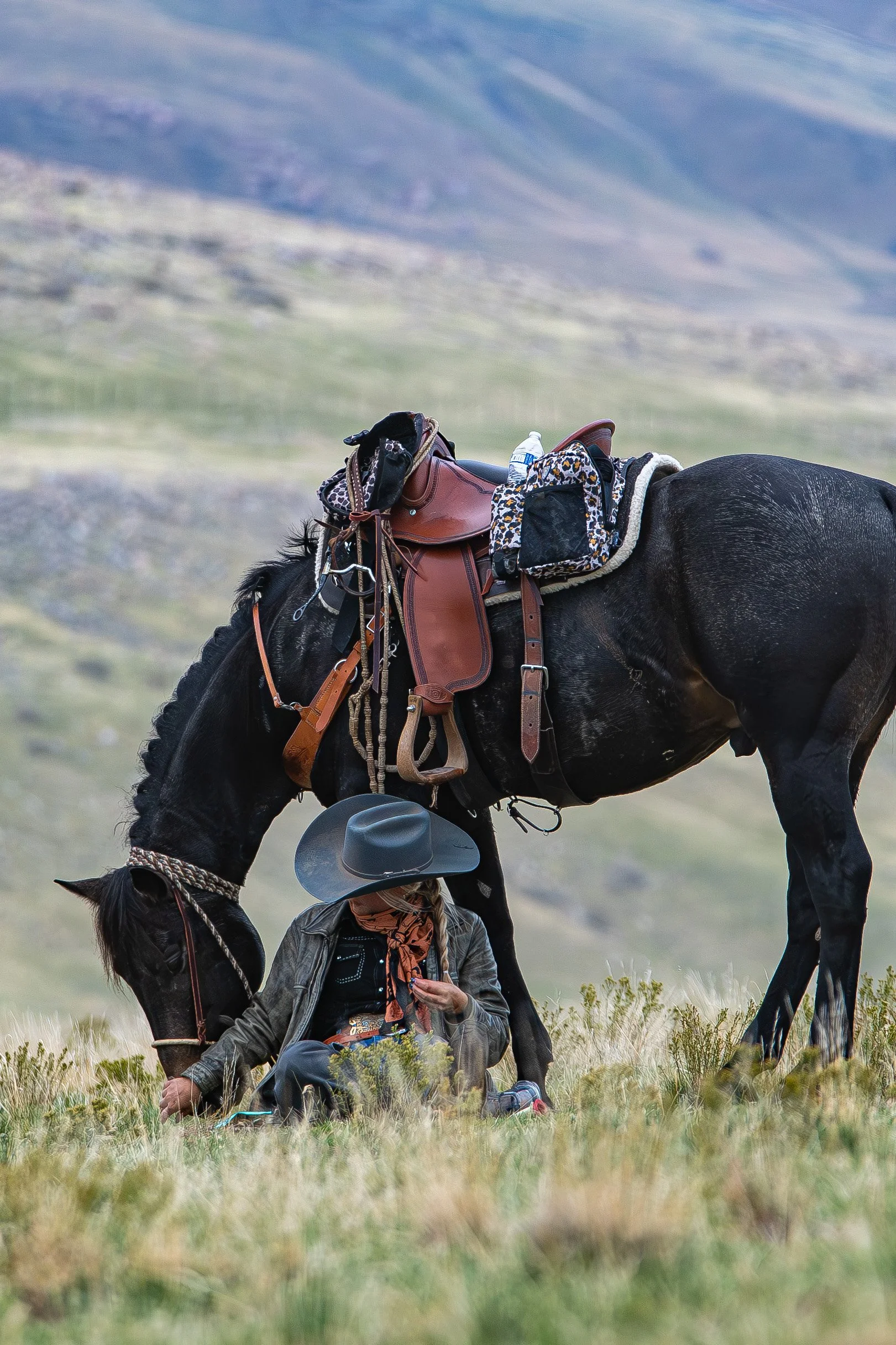
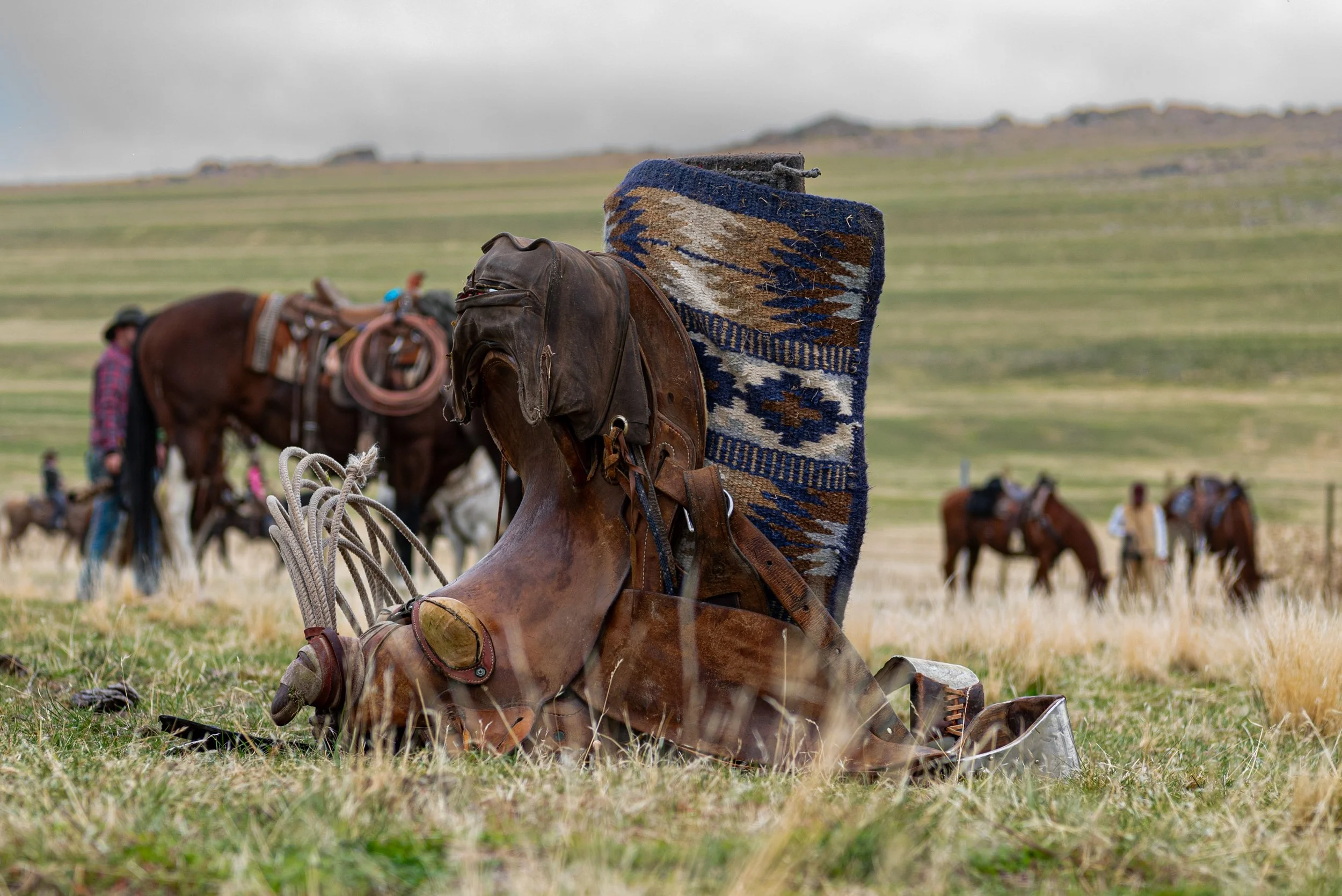
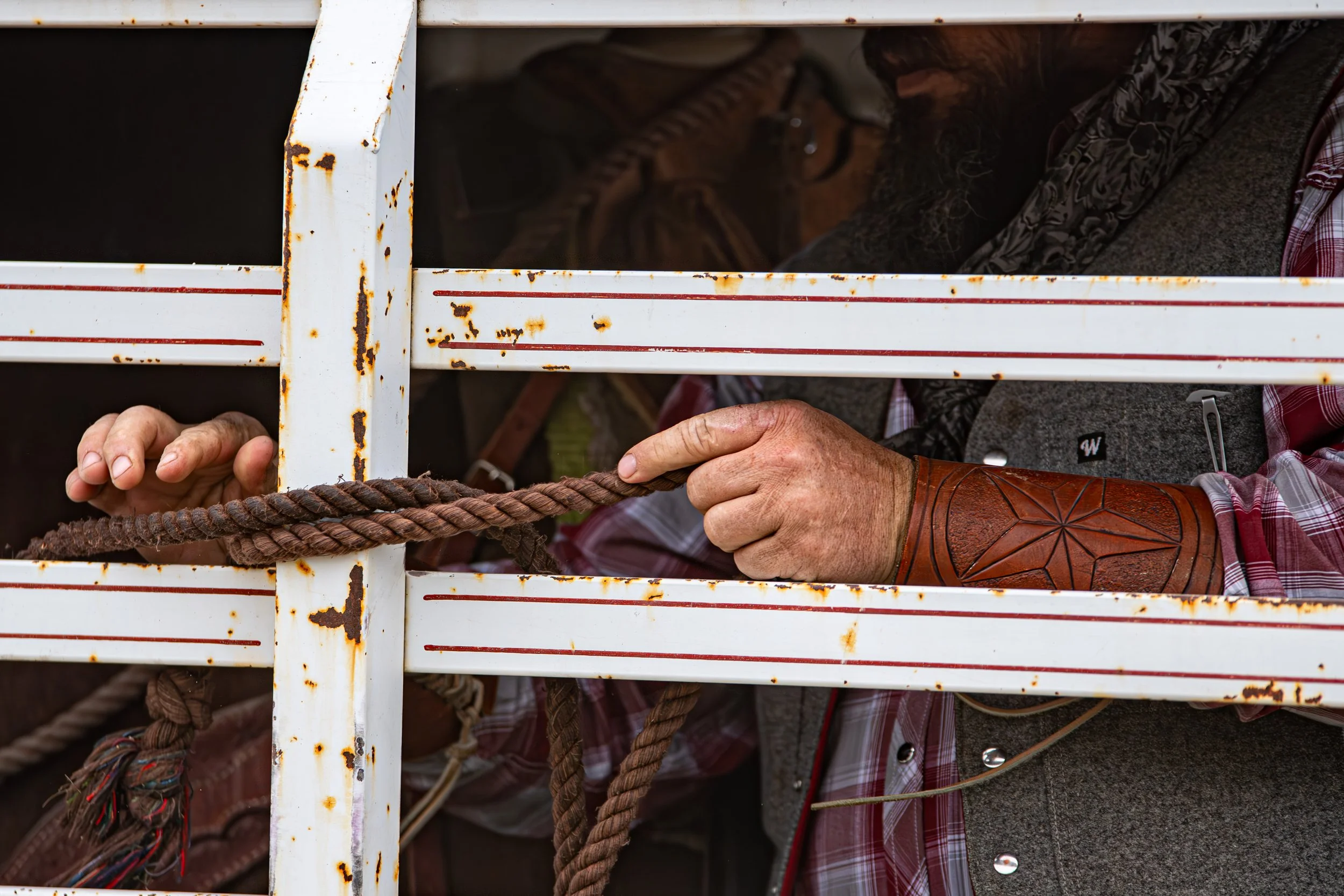
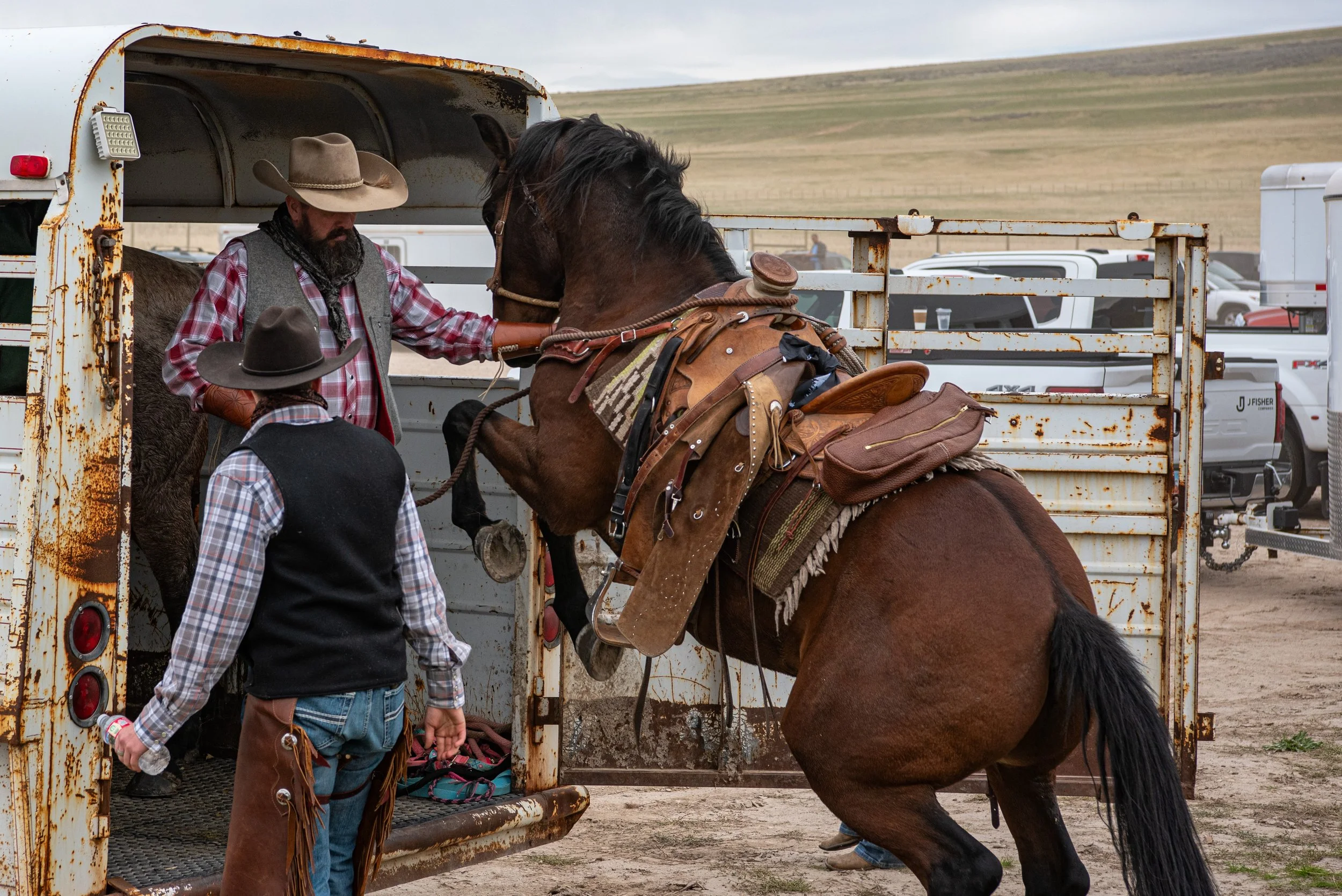
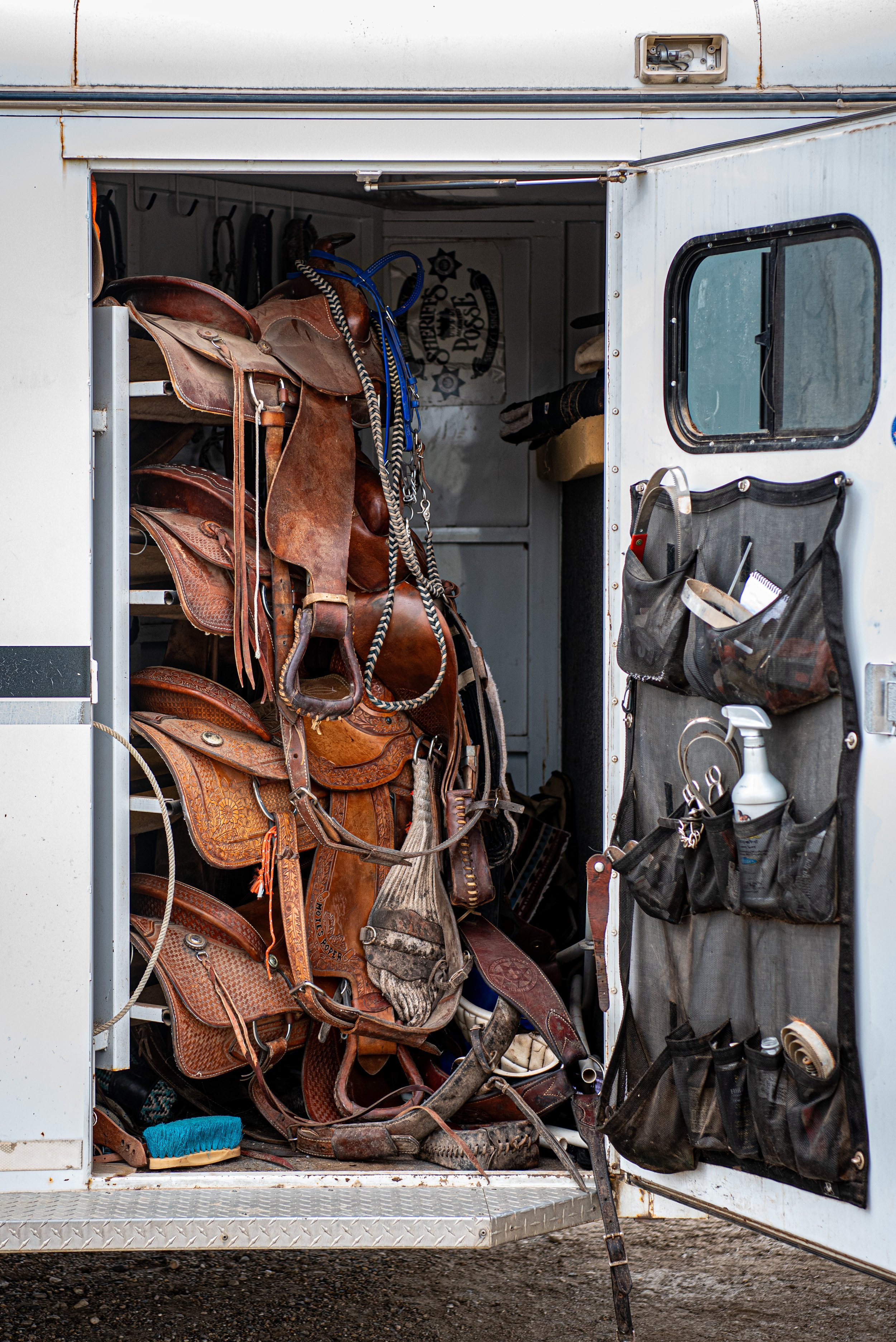
From the chokepoint the herd moves over the ridgeline to rest before the final drive into the corrals. At the end, a small festival is set up and we hurried over only to wait about an hour for the herd to come around the corner. The riders fan out once more and push the herd along the fence into the corral. With the bison secured, the riders put on a show as they race back down the fence line to the pickup location. Trailers shuttle the horses back south to Fielding Garr Ranch and we took the opportunity to wander amongst the riders as the waited, capturing additional portraits.
The Chokepoint

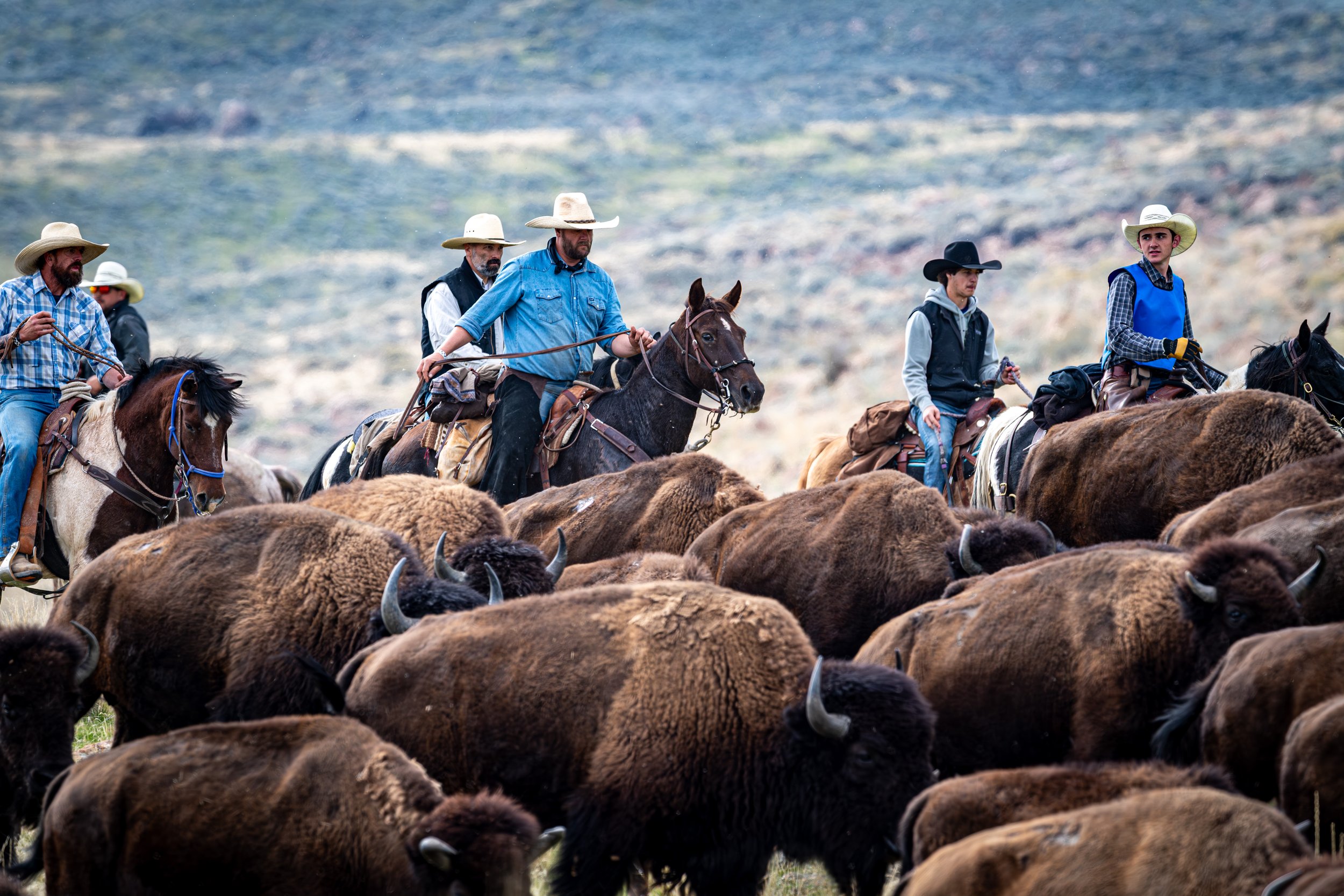
The Push to the Corrals
The Final Ride
Post-Roundup
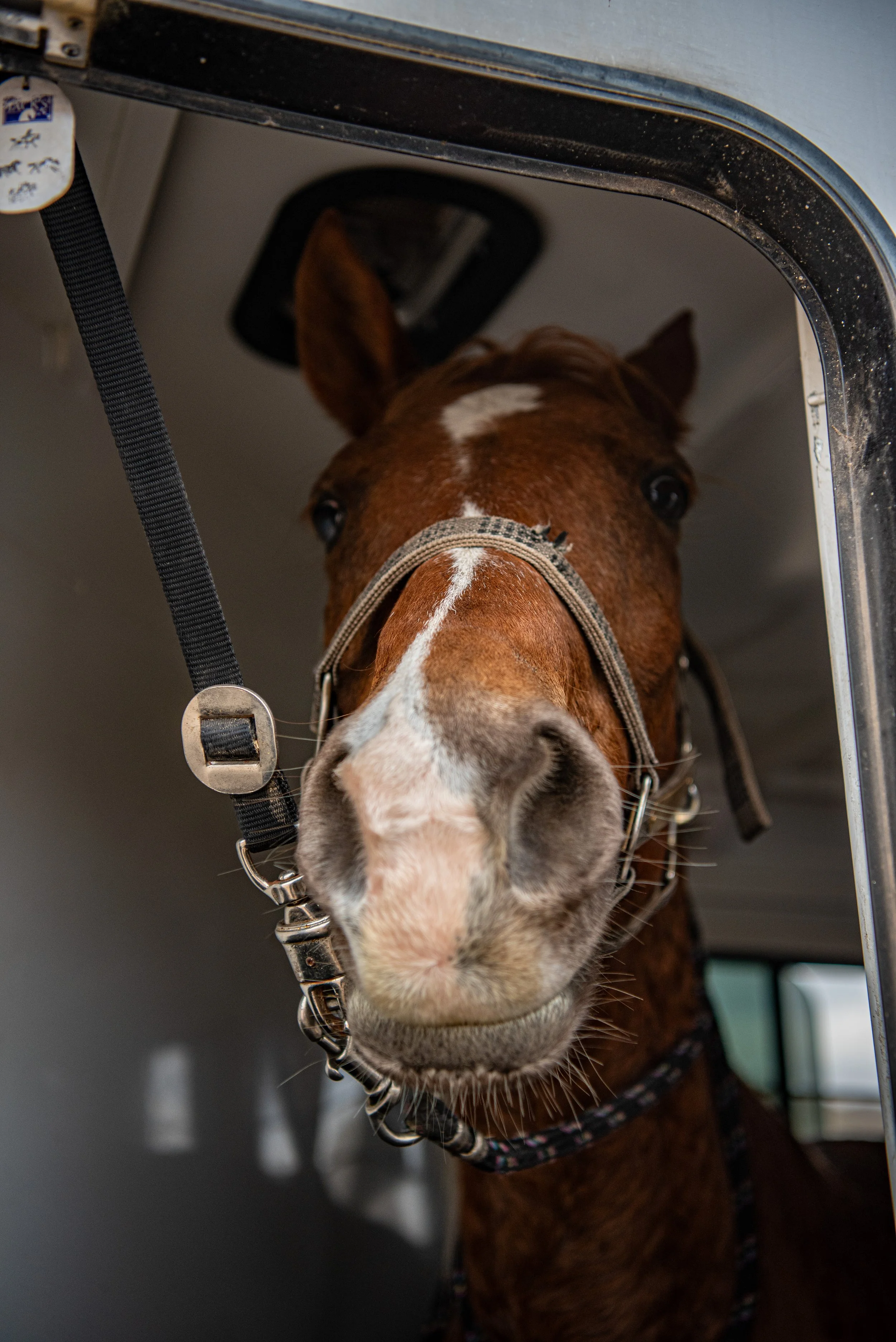
Loading Up
Hindsight
Greg had attended before in 2022, so he had familiarity with the cadence of the event and that in itself was immensely helpful. This was the first time since 2023 that we had shot together. The last two years we’ve been split for vacations, so it was good to get back in the field as partners. It was also the first time we both had long lenses and cameras with high shutter speeds and that came with some lessons. Just because we can shoot at 12 or 14 frames per second, we shouldn’t always shoot at 12 or 14 frames per second. Combined, we shot nearly 12,000 photos. Culling that herd (pun intended) takes a significant effort and time. We need to get smarter about how much we shoot of a particular subject. Additional bodies with separate lenses provides us quick flexibility to shoot at different focal lengths. For this trip, Ed borrowed a GoPro 360 Max, which gave us some great behind-the-scenes footage.
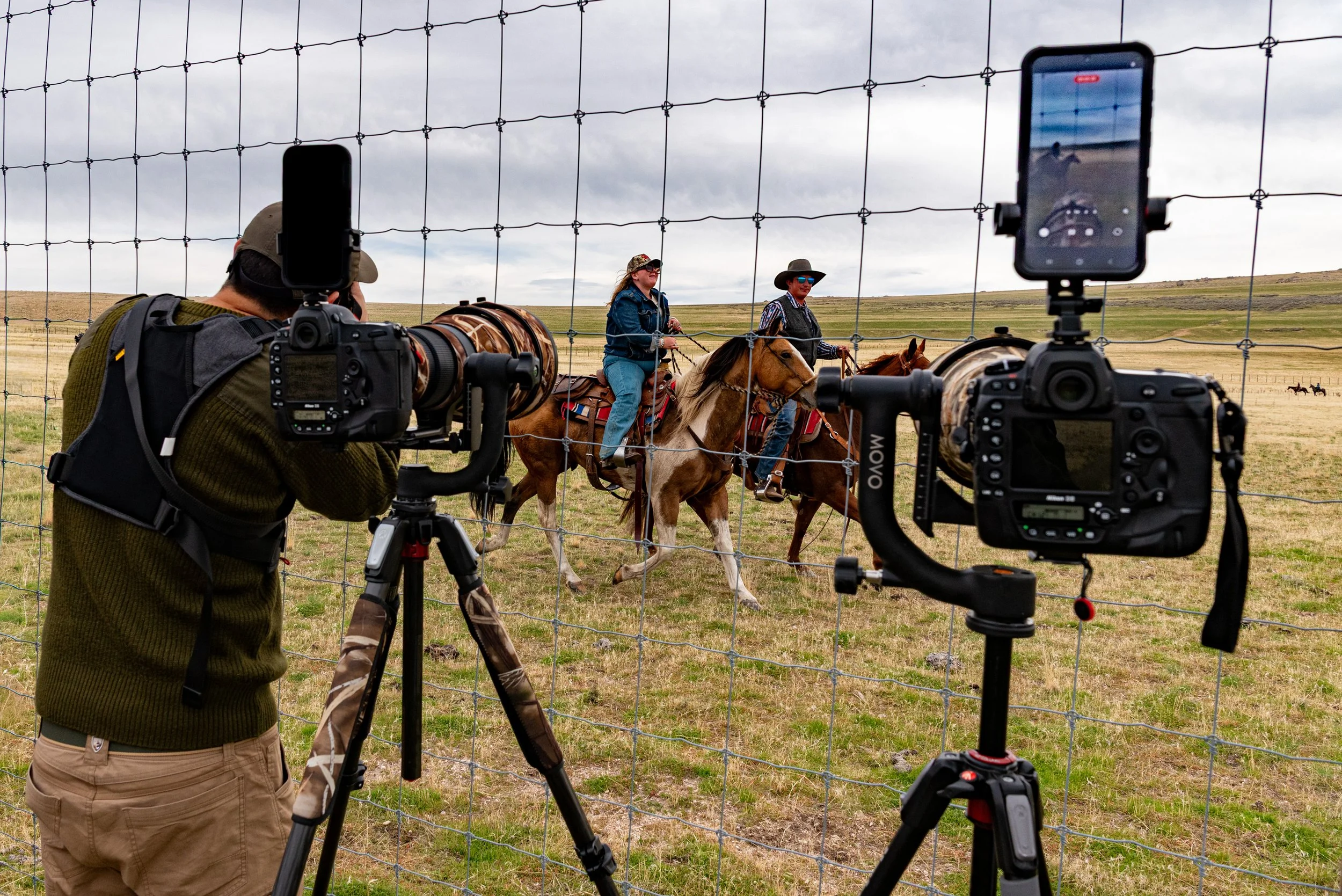
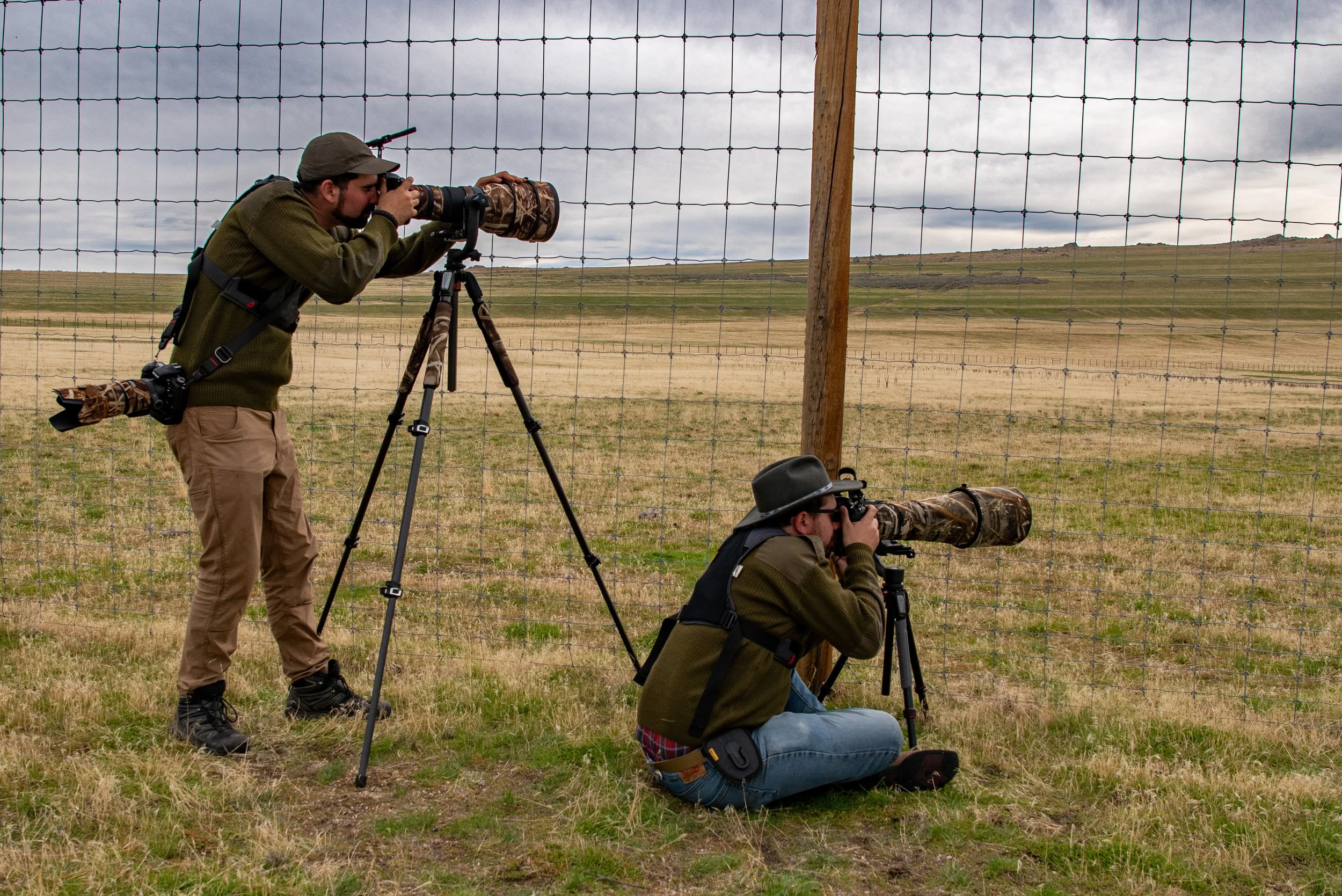
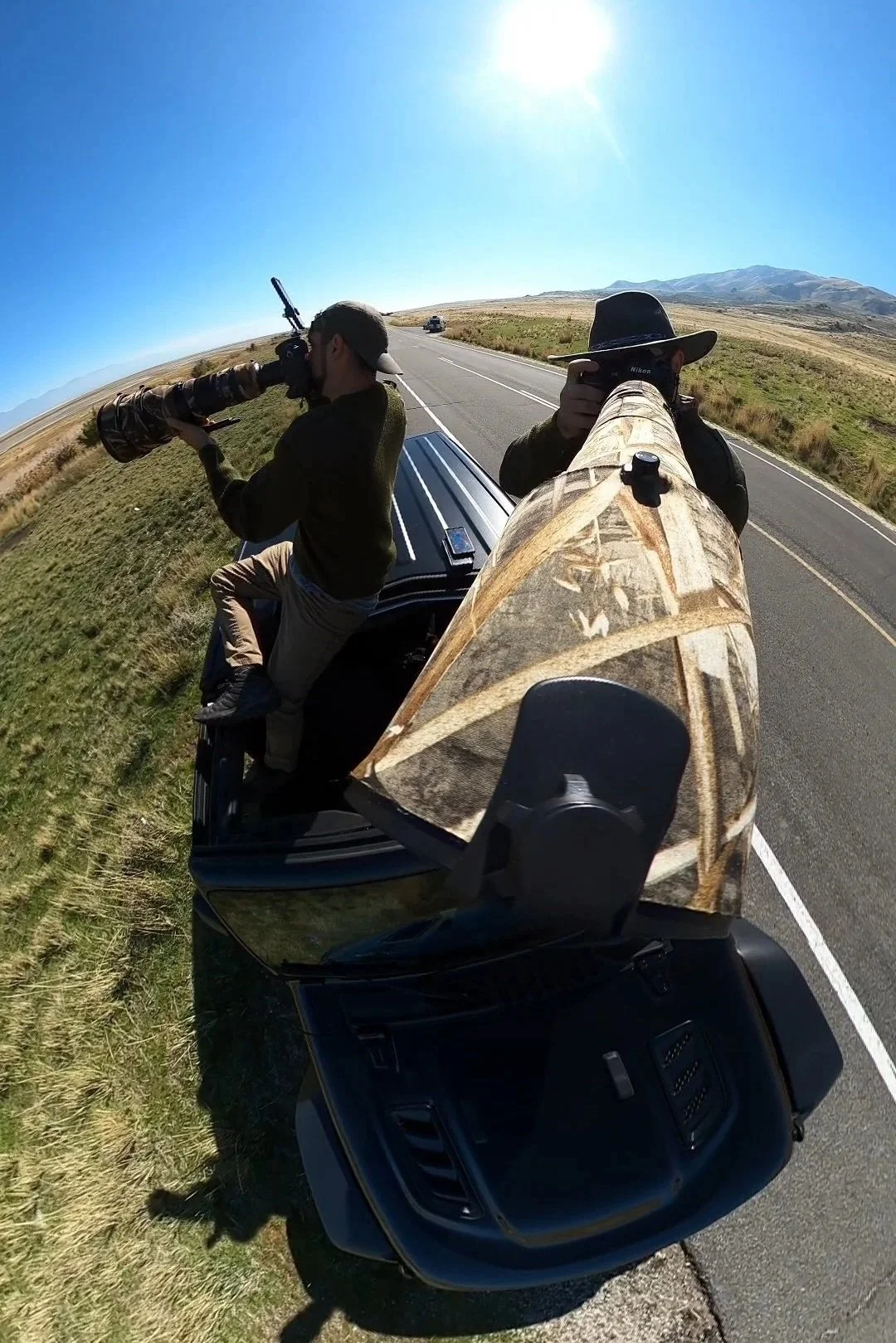
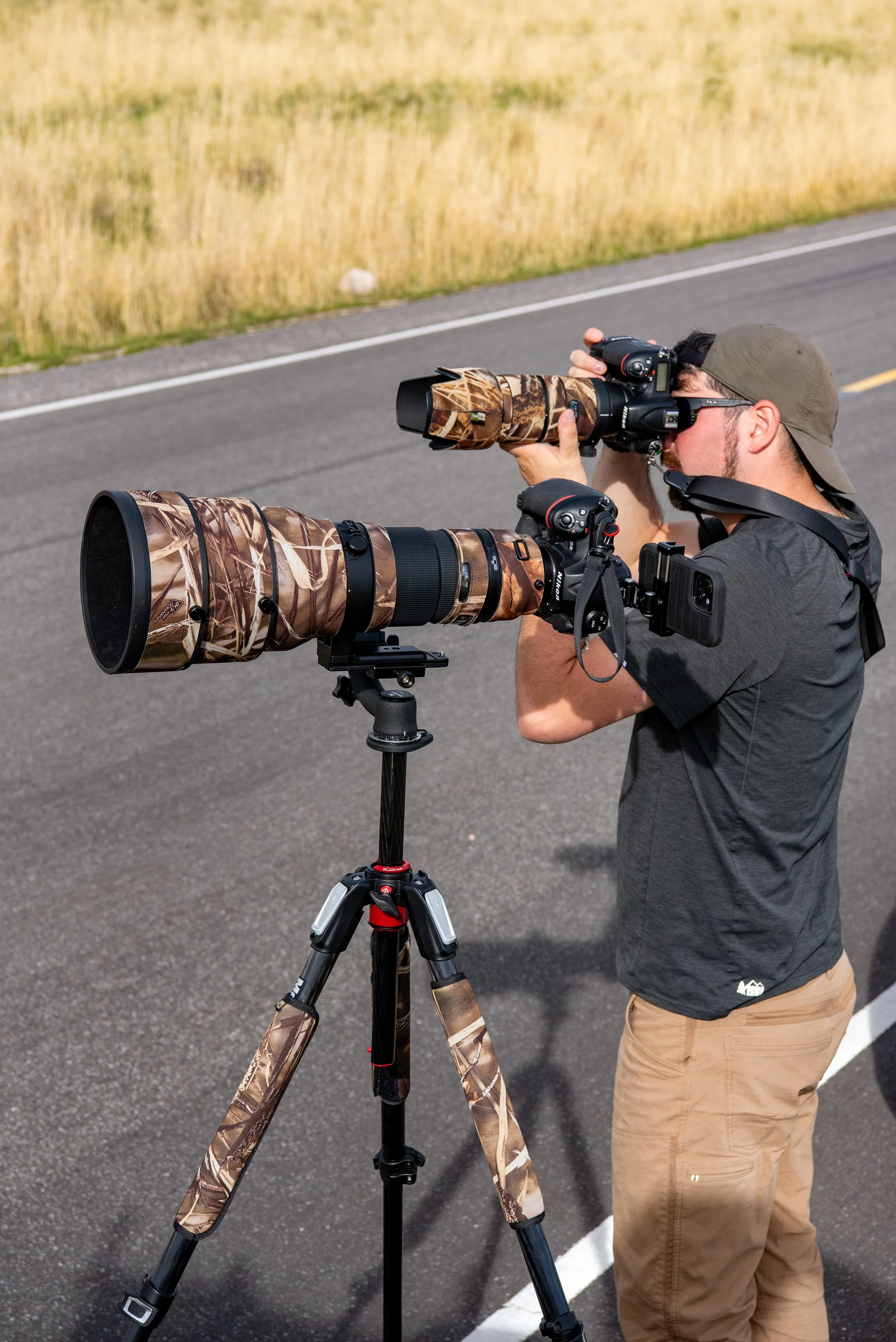
When we head back out there next year, we would definitely get to Fielding Garr Ranch early again for the safety brief. We would probably skip a good portion of the drive and post up at the chokepoint along the road for the best shots. And we’d definitely spend more time after the roundup as horses and riders get shuttled back south. The opportunities for intimate portraits is incredible.
Thanks for joining us again for this adventure and stay tuned for more, pard!
HEE-YA!
-Ed and Greg